Living in Menlo Park: Find the Right Neighborhood Fit
July 23, 2026
July 23, 2026
If you are trying to picture daily life in Menlo Park, the first thing to know is that no single neighborhood tells the whole story. Some parts of the city feel especially walkable and close to shops and transit, while others feel quieter, more residential, or more car-oriented. Understanding those differences can help you narrow your home search, set expectations, and choose an area that fits the way you want to live. Let’s dive in.
Menlo Park is a small Peninsula city with 33,040 residents and a strong homeowner presence, with 55.3% owner-occupied housing. The city also reflects a high-cost market, with a median owner-occupied home value above $2,000,000 and a median gross rent of $3,156.
In everyday terms, that often means a mix of established residential streets, active local shopping areas, and a meaningful commuter rhythm. The median commute time is 24.2 minutes, and the city sits between San Francisco and San Jose near major employers and higher education centers.
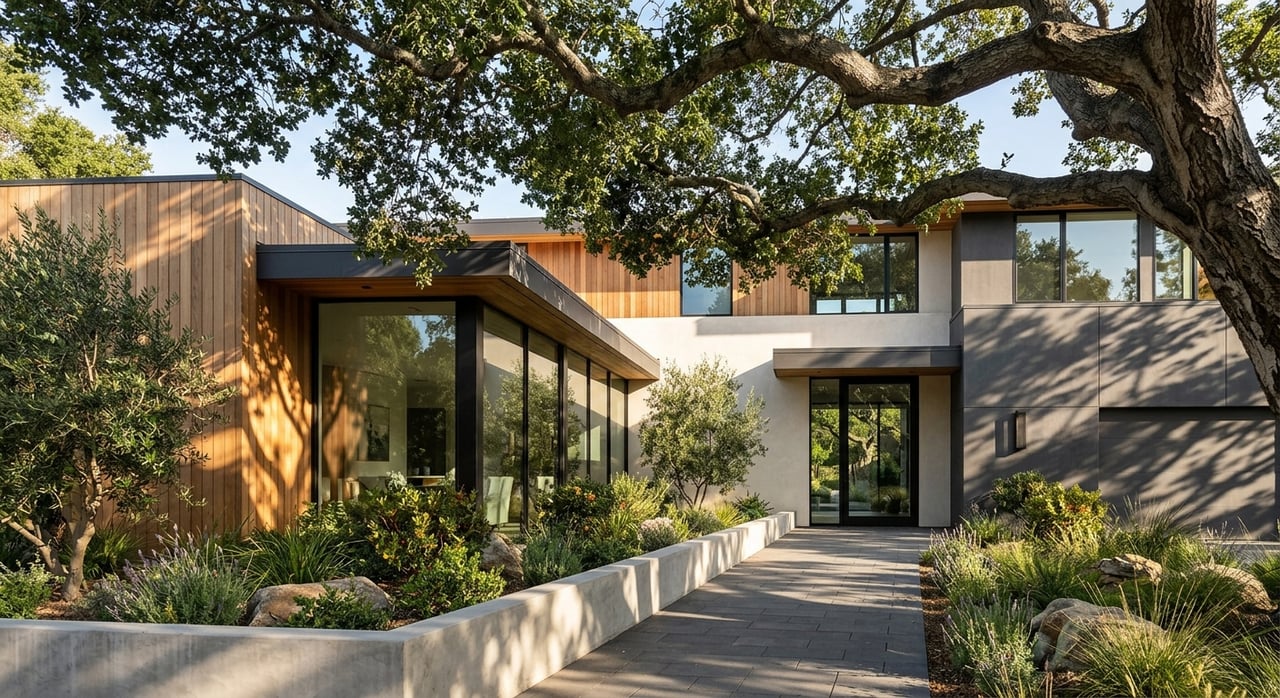
City information also describes Menlo Park as tree-lined, commercially active, and sunny, with about 265 sunny days each year. That combination shapes a lifestyle that often includes errands close to home, time outdoors, and regular regional travel for work or school.
One of Menlo Park’s defining features is variety. The city’s neighborhood profiles identify 16 distinct neighborhoods, including Downtown, the El Camino Real Corridor, Allied Arts/Stanford Park, Central Menlo, Belle Haven, Sharon Heights, Linfield Oaks, and The Willows.
That matters if you are buying or selling because Menlo Park is not one uniform experience. The feel of daily life can shift based on housing type, access to parks, transit options, and how close you are to retail or major commute routes.
Downtown is one of the city’s most active and convenient areas for day-to-day living. The neighborhood includes mostly apartments along with commercial and retail uses, plus personal services, three local parks, three grocery stores, and a fire station.
The city describes downtown as walkable, with shops, eateries, outdoor dining, and a Sunday farmers market at Santa Cruz and Menlo avenues. For many residents, that means you can build regular routines around coffee runs, grocery trips, dinner out, and weekend events without needing to drive far.
Transit access is another major part of downtown life. The Caltrain station borders downtown and is one block from Santa Cruz Avenue, while Santa Cruz Avenue and El Camino Real also provide bus access.
The El Camino Real Corridor has a more commercial and office-oriented character. You will find larger retailers, neighborhood commercial uses, professional office services, and the Menlo Park Caltrain station within the neighborhood.
This area can be practical for people who value convenience and access over a quieter residential feel. Nearby parks such as Burgess, Camp Fremont, and Nealon add outdoor options, which helps balance the corridor’s busier, more urbanized pattern.
Several Menlo Park neighborhoods reflect a more traditional residential setting. These areas often appeal to buyers who want a calmer street feel while still staying connected to parks, services, and the broader Peninsula.
Allied Arts/Stanford Park is mostly made up of detached single-family homes and two-story apartments. Commercial and retail activity along El Camino Real adds nearby convenience, while Nealon Park and Jack W. Lyle Park sit just outside the neighborhood.
In practical terms, this area can feel quieter than downtown while still keeping daily needs within reach. The park access also supports a lifestyle built around walks, outdoor time, and a little breathing room between home and busier corridors.
Linfield Oaks blends residential, retail, and public-facility uses. It also includes SRI International, city government offices, and a local park.
One standout feature is its access to Burgess Park and the adjacent recreation complex. That makes Linfield Oaks one of the city’s more amenity-rich areas for everyday living, especially if you value recreation, sports, and community programming close to home.
Belle Haven has a distinct position within Menlo Park. The neighborhood is mostly detached single-family homes with some low-rise apartments, along with a public library, an elementary school, a private school, a fire station, and three parks.
Its location is shaped by US-101 and Bayfront access, with Willow Road and the Bay Trail serving as major connectors. The city notes that most homes are within a quarter-mile of a bus stop, which adds another layer of day-to-day mobility.
A unique lifestyle feature here is access to the baylands. Meta Park is a publicly accessible 2.2-acre park with a bike and pedestrian bridge linking Belle Haven to the Bay Trail and Bedwell Bayfront Park, giving the neighborhood a stronger connection to open space and shoreline recreation than many inland parts of the city.
These neighborhoods show how Menlo Park can shift toward a more suburban pace. Both are residential in feel, but the details of access and movement differ from the more central parts of the city.
Sharon Heights includes a mix of detached single-family homes and medium-density apartments, along with offices, a country club, a local park, neighborhood commercial uses, and school facilities. The profile notes limited public transit, few accessible sidewalks, and no bike lanes.
That makes Sharon Heights read as more car-oriented and hillside-suburban in everyday life. If you are comparing neighborhoods, this is the kind of place where driving may play a larger role in your routine than walking or rail commuting.
The Willows is primarily made up of detached single-family homes, with schools and scattered commercial uses along Willow Road, Middlefield Road, and Menalto Avenue. It has low-frequency bus service, bicycle-friendly streets along Willow Road, and Willow Oaks Park as its main public open space.
For many residents, that can translate to a quieter residential rhythm with local park access and a neighborhood feel. It may suit buyers who want a more classic residential setting while staying connected to broader Menlo Park amenities.
Parks are one of the biggest influences on everyday life in Menlo Park. The city’s park network ranges from the 160-acre setting of Bedwell Bayfront Park to smaller spaces like Fremont Park downtown and neighborhood parks such as Nealon, Sharon, Willow Oaks, Jack W. Lyle, Kelly, and Hamilton.
Amenities across the system include playgrounds, dog parks, walking paths, picnic areas, sports fields, tennis, pickleball, and skate facilities. That range supports all kinds of routines, from morning walks and casual playtime to more organized recreation.
Menlo Park also offers classes and programs for all ages through its recreation department. Residents can access aquatics at Burgess and Belle Haven pools, along with gymnastics, basketball, volleyball, tennis, pickleball, athletic field rentals, and reservable picnic areas.
Menlo Park’s lifestyle is not just about housing and commuting. The city hosts annual events such as Spring Festival, Juneteenth Celebration, Halloween Carnival, Light Up the Season, and a Summer Concert Series, while library and cultural programs run throughout the year.
Downtown adds even more activity with a Sunday farmers market, summer concerts in Fremont Park, and seasonal events. These local gatherings help create a sense of routine and connection that extends beyond the workweek.
Transportation options vary meaningfully by neighborhood. The city says residents get around by foot, bicycle, transit, or car, with access to Caltrain, SamTrans, Dumbarton Express, and free city shuttles.
Caltrain shuttle service also connects Menlo Park Station to Marsh Road business parks, Willow Road business parks, Palo Alto Caltrain, medical centers, shopping, and the senior center. For residents who rely on rail or shuttle connections, central neighborhoods may offer more convenience.
The city’s transportation framework also emphasizes complete streets, the Transportation Master Plan, and Vision Zero. In practical terms, Menlo Park is working to balance driving with safer walking and biking, though conditions still differ from one neighborhood to the next.
If you are buying in Menlo Park, neighborhood fit matters as much as square footage or style. You may want to think through how often you plan to walk to errands, use Caltrain, spend time in parks, or drive to work and activities.
If you are selling, understanding the lifestyle strengths of your specific neighborhood can shape stronger marketing. A home near downtown may appeal differently than one near the baylands, Burgess Park, or a quieter residential pocket, and that distinction matters when presenting a property well.
Menlo Park’s appeal comes from that variety. Rather than offering one fixed lifestyle, it gives you a range of everyday patterns within a relatively compact city.
If you are considering a move in Menlo Park and want thoughtful, neighborhood-specific guidance, Kathleen Pasin offers concierge-level support with deep local insight for buyers and sellers across the Peninsula.
Stay up to date on the latest real estate trends.


Her expertise in real estate ensures that you receive informed and objective guidance. Contact Kathleen to learn how she can assist you in meeting your real estate needs.

KATHLEEN PASIN | CA DRE# 01396779
[email protected]
(650) 450-1912
ADDRESS
3000 El Camino Real
Palo Alto, CA 94306