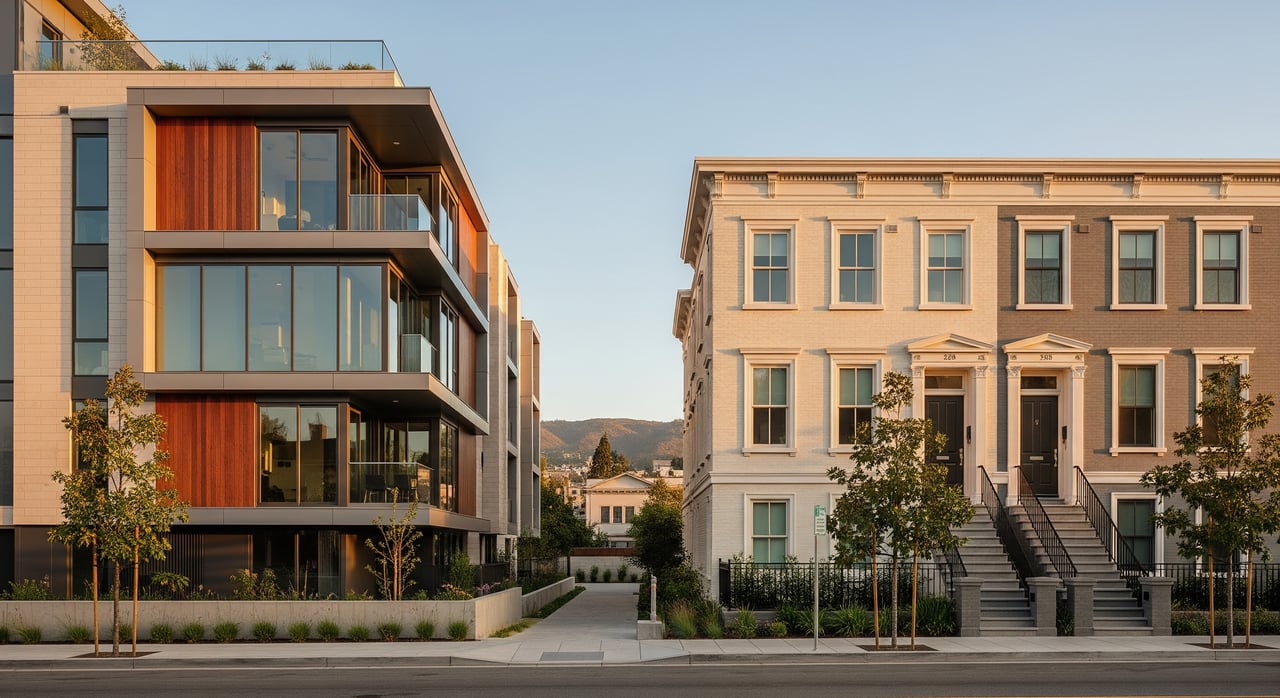
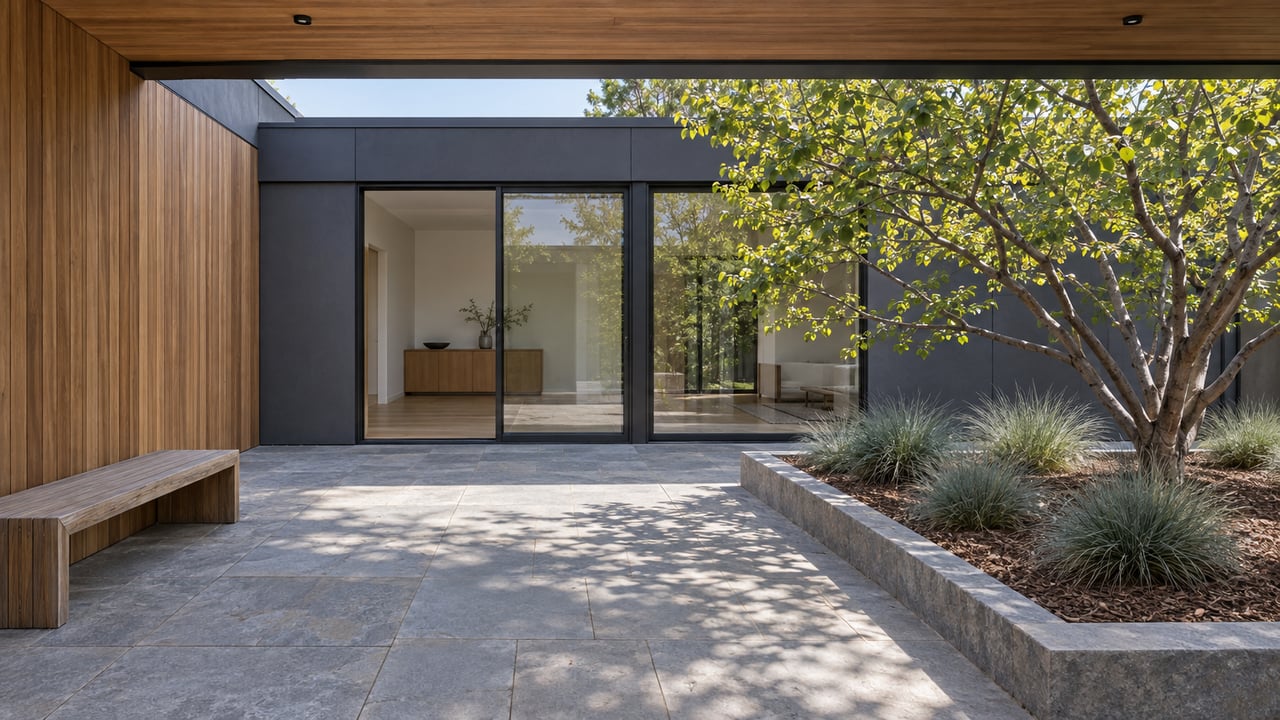
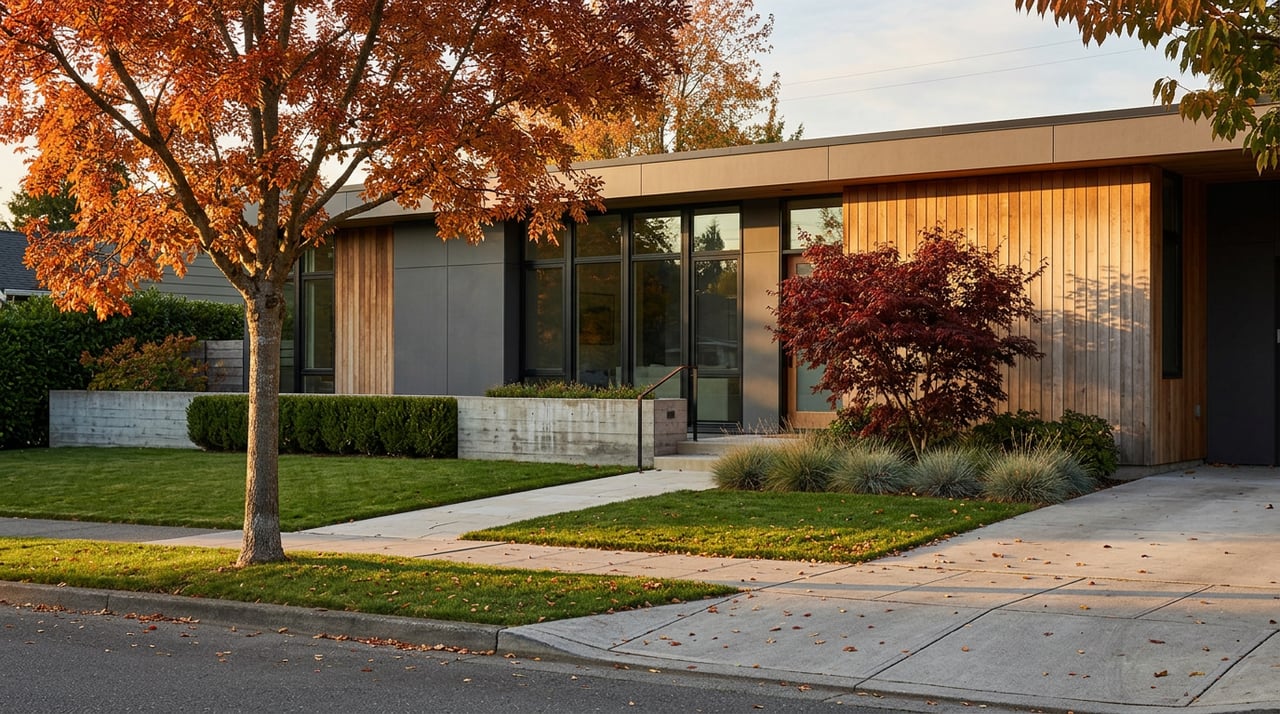
Choosing between a condo and a townhome in Mountain View can feel tricky. You want the right balance of convenience, space, and future resale value, especially with busy commutes and weekend plans in Silicon Valley. This guide gives you clear, local insights so you can pick the best fit for your lifestyle and budget. You will learn how each option works in California, how HOAs and financing differ, and what to watch for in Mountain View neighborhoods. Let’s dive in.
Key definitions in California
Understanding how California treats condos and townhomes helps you avoid surprises later.
- Condominiums: You own your individual unit plus an undivided share of common areas. Exteriors, roofs, and shared systems are typically the HOA’s responsibility, while you handle your interior.
- Townhomes: This term describes the physical style, not the legal ownership. A “townhome” can be set up as a condo project, a planned unit development (PUD), or fee-simple ownership. The legal structure on title drives your responsibilities, insurance, and financing.
Most attached communities in California operate as Common Interest Developments under the Davis-Stirling Act. That law governs HOA operations, disclosures, reserves, and member rights. Sellers and HOAs must provide core documents like CC&Rs, bylaws, financials, and reserve studies so you can make an informed decision.
HOA, fees, and maintenance
HOAs vary widely in Mountain View. What they cover depends on the legal setup and the property’s age and amenities.
- Condos: HOAs commonly cover exterior maintenance, roofing, shared plumbing and electrical, landscaping, common-area upkeep, and sometimes water or garbage. You are usually responsible for interior finishes and systems that serve only your unit.
- Townhomes: Coverage can go either way. Some townhome HOAs maintain roofs and exteriors, while others shift more maintenance to owners, especially in PUD or fee-simple setups. Always verify in the CC&Rs and maintenance exhibits.
Review the reserve study and the last 2 to 3 years of financials. If reserves are thin or major work is deferred, the HOA may need special assessments. This can affect your total cost of ownership and resale timing.
Insurance basics
- HOA master policy: Covers the building and common areas per the policy terms. Coverage limits and deductibles vary.
- Your policy: Most condo buyers get an HO-6 policy for interior finishes, personal property, and liability. Townhome owners may carry a homeowners policy tailored to the project’s legal structure.
- Earthquake: Standard policies do not include earthquake coverage. Consider a separate earthquake policy, and confirm what, if anything, the HOA’s master policy covers.
Lifestyle and layout trade-offs
Think about how you live day to day, and what will matter on weekday mornings and weekend afternoons.
- Condos: Often stacked living with shared floors and ceilings. Expect less private outdoor space, easier elevator access, and more building amenities. Single-level living can be a big plus.
- Townhomes: Multi-floor layouts with private entries are common. You may get a small yard or patio, a private garage, and more storage. Stairs are part of the lifestyle, which is great for separation of spaces but tougher for mobility.
Noise, parking, and outdoor space
- Noise: Stacked condos can have more floor and ceiling sound transmission. Townhomes often reduce stacked noise but share party walls.
- Parking and storage: Townhomes often include garages or driveways. Condos typically offer assigned garage spaces and shared storage lockers.
- Outdoor space: Townhomes are more likely to have a patio or small yard. Condos more often have a balcony or shared courtyard.
Quick fit guide
You may prefer a condo if you want:
- Low-maintenance living with HOA-managed exteriors.
- Single-level layouts or easy elevator access.
- A walkable location close to downtown, transit, and amenities.
You may prefer a townhome if you want:
- More privacy, storage, and often a private garage.
- A small yard or patio for outdoor time.
- A multi-level layout with separation of living and sleeping areas.
Mountain View location choices
Where you buy in Mountain View can be as important as what you buy. Commute routes, walkability, and proximity to employers and transit drive value.
Downtown and Castro Street
You will find dense condo inventory and mixed-use buildings with high walkability and easy access to Caltrain and VTA. Expect strong demand and active resale, with prices that reflect location and amenities. HOA fees can be higher if the building offers more services.
North Bayshore and Shoreline
Newer townhome and condo communities near major employers and Shoreline amenities often feature modern systems and community features. This area is convenient for tech commuters and may benefit from future planning or transit enhancements over time.
Whisman and Moffett Field area
A mix of townhomes and single-family pockets creates a more residential feel. For some buyers, a townhome here can provide extra space, private garages, and proximity to parks while staying within a short drive or bike ride of work.
Cuesta Park, Waverly Park, and Old Mountain View
These are primarily single-family neighborhoods with selective attached options. When an attached home becomes available, it can draw buyers seeking a quieter setting near parks or local amenities. School district boundaries in Mountain View can influence buyer preferences, so confirm the assigned districts early in your search.
Resale and financing considerations
Resale performance depends on location, HOA health, and livability.
- Liquidity: Downtown condos near transit typically see steady demand, but buyers are sensitive to HOA condition and fees. Townhomes with garages and outdoor space often appeal to a broader range of buyers.
- Valuation drivers: Unit condition, parking type, outdoor space, storage, and proximity to transit and employers influence comparables. HOA reserves, rules, and investor ratios matter for both appraisers and lenders.
- Investor mix: High investor concentration can affect financing availability and pricing volatility. Check rental caps and owner occupancy levels.
Financing can differ by project type. Lenders may apply stricter criteria to condominium projects, especially small associations or those with higher investor ratios. Fee-simple or PUD townhomes can be simpler to finance, but it depends on the legal setup. Talk to a lender who understands Bay Area condo and townhome underwriting early in your process.
Touring and document checklist
Bring a clear plan to every tour so you can compare properties fairly.
Documents to request
- HOA CC&Rs, bylaws, rules and regulations.
- Most recent reserve study, budget, and 2 to 3 years of financial statements and meeting minutes.
- HOA master insurance certificate and coverage summary, including exclusions like earthquake.
- Notices of special assessments or pending litigation.
- Occupancy and rental ratio data, plus rental cap policy.
- Title and plat confirming project type: condo vs PUD or fee-simple.
- Recent invoices or contracts for roof, building envelope, or major repairs.
- Seller disclosures, including any history of water intrusion or system replacements.
On-site checks
- Listen for noise at different times of day, including rush hour and evenings.
- Look for water stains, balcony and slab drainage issues, and signs of deferred maintenance.
- Evaluate common areas, elevators, stairwells, hallways, and garage conditions.
- Confirm parking access, guest parking, and EV charging options.
- Review mail and package delivery setup, plus storage locker condition.
- Test walkability to transit, grocery, parks, and your commute routes.
Financing and professional reviews
- Secure lender pre-approval that accounts for the project type and HOA details.
- Complete any condo project questionnaire your lender requests.
- Consider an attorney review if CC&Rs are complex or responsibilities are unclear.
- Order a thorough home inspection with attention to shared systems and water intrusion.
Decision framework: how to choose
Compare each property against the same set of criteria so your decision is clear.
- Total cost of ownership: Mortgage, HOA dues, utilities, insurance, earthquake coverage, and expected maintenance or special assessments.
- Lifestyle match: Commute time, parking and storage needs, outdoor space, stairs and accessibility, and amenities.
- Resale prospects: Proximity to transit and employers, assigned school districts, HOA health, and product-type demand in the neighborhood.
- Financing and flexibility: Lender options, investor ratios, rental rules, and how long you plan to hold the property.
- Risk tolerance: Comfort with HOA governance, potential special assessments, and multi-unit building dynamics.
Next steps
If you want walkability near Castro Street with minimal upkeep, a condo may be the better fit. If you want a private garage, more storage, and a small yard, a townhome may suit you. In either case, confirming the legal structure, HOA health, and financing path early will save you time and stress.
When you are ready to compare specific Mountain View options, reach out to discuss your goals, timing, and budget. With boutique, hands-on guidance and local insight, you can move forward with confidence. Connect with Kathleen Pasin to get started.
FAQs
What is the main difference between a condo and a townhome in California?
- A condo is a legal form of ownership for a unit plus shared common areas, while “townhome” describes the physical style; the legal setup can be a condo, PUD, or fee-simple, which determines responsibilities and financing.
How do HOA fees typically differ for Mountain View condos and townhomes?
- Condo HOAs often cover exterior maintenance and shared systems, sometimes utilities; townhome HOAs vary widely, with some shifting more exterior upkeep to owners, so always confirm in the CC&Rs and reserve study.
What insurance do I need for an attached home in Mountain View?
- Expect an HOA master policy plus your own HO-6 or homeowners policy for interiors and liability; consider separate earthquake coverage because standard policies do not include seismic protection.
How does financing differ between condos and townhomes?
- Lenders may have stricter criteria for condo projects, especially small or investor-heavy associations; fee-simple or PUD townhomes can be simpler, but the legal setup on title drives lender treatment.
What should I review before making an offer on a condo or townhome?
- Review CC&Rs, bylaws, rules, recent financials and reserve study, meeting minutes, insurance, litigation or assessment notices, occupancy ratios, and title to verify project type and maintenance responsibilities.
Which Mountain View locations are best for resale?
- Properties near transit, downtown amenities, and major employers often see stronger demand; unit condition, HOA health, parking, and outdoor space also play key roles in resale outcomes.