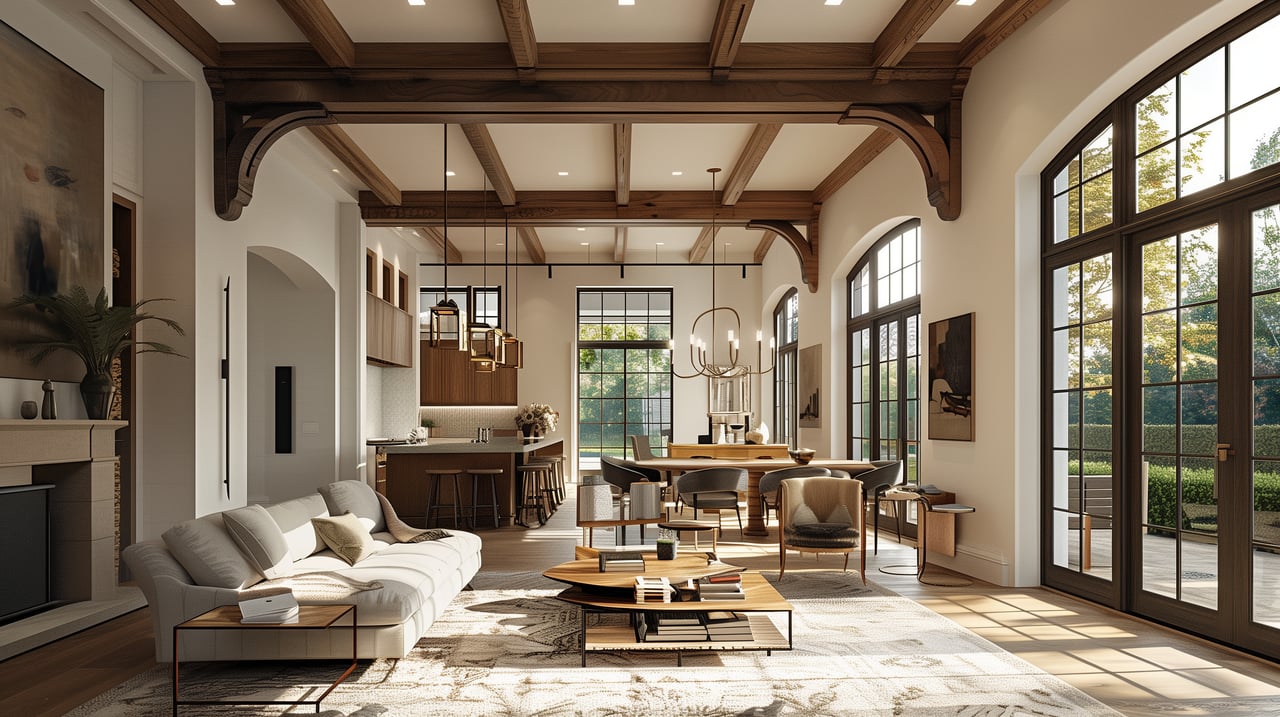
Thinking about listing your Los Altos home and wondering if staging is worth it? You are not alone. In a high-value market where buyers expect move-in readiness, the way your home looks online and in person can shape offers and days on market. In this guide, you will learn when to use refresh, partial, or full staging, what to expect for timing and logistics, and a simple framework to pick the right plan for your home. Let’s dive in.
Why staging matters in Los Altos
Los Altos is an affluent, largely owner-occupied Silicon Valley community where buyers tend to be design sensitive. Many prioritize updated finishes, clean lines, and a space that feels ready on day one. That means presentation and perceived condition carry extra weight.
Because neighborhoods range from classic ranches to remodeled or newly built homes, the set of comparable sales near you matters. If recent nearby listings were professionally staged and photographed, buyers will come in with higher visual expectations. In this environment, staging often delivers stronger first impressions that can support top-of-market pricing and reduce time on market.
Staging options explained
You have three practical choices in Los Altos: refresh, partial staging, or full staging. The right choice depends on occupancy, current furnishings, budget, timeline, and where your list price sits relative to nearby comps.
Refresh staging
What it is: A light lift that focuses on decluttering, deep cleaning, small repairs, neutral paint, and simple décor updates like rugs, pillows, and artwork. No rental furniture.
When it fits: You live in the home, already have quality furniture, and the property is priced at or below the neighborhood median. A refresh helps neutralize the space so buyers can picture themselves living there.
Goal: Signal that the home is well cared for and move-in ready without a large spend.
Partial staging
What it is: Targeted professional staging for key rooms such as the living room, kitchen and dining area, primary bedroom, and sometimes a home office. Furniture and accessories are rented only where impact is highest.
When it fits: You occupy the home but have a few worn or mismatched rooms, or the floor plan benefits from scale and definition. It is also a smart choice for higher-priced homes where staging a subset of rooms delivers most of the value.
Goal: Focus attention on the spaces that drive buyer decisions while controlling costs.
Full staging
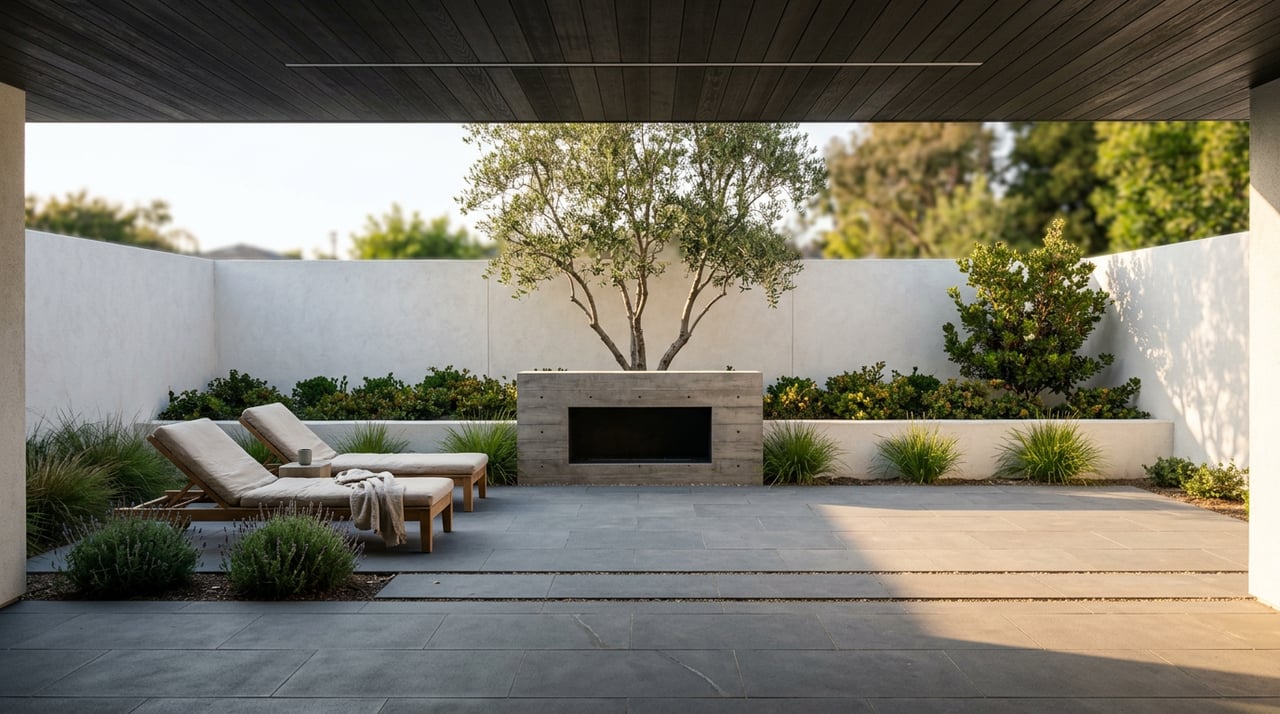
What it is: Professional staging across most or all rooms, often including the exterior. Best suited to vacant homes or properties marketed at the higher end of local price bands.
When it fits: Vacant homes, luxury listings, newly remodeled properties with no furniture, or situations where a cohesive aesthetic is needed to justify price. Empty rooms tend to underperform in photos and at open houses.
Goal: Create an immediate emotional connection, show proper scale, and present a lifestyle that supports the asking price.
Special Los Altos notes
- Vacant homes: Strongly consider full staging for main rooms. Empty spaces can look smaller and less inviting in photos.
- Unique or older homes: Use staging to highlight period features and demonstrate modern functionality, such as a staged home office.
- High-end remodels or new builds: Full staging is typically expected to support premium pricing.
Costs and timelines
While exact numbers vary by home and vendor, Los Altos generally trends toward the higher end of industry ranges due to larger homes and premium inventory.
What affects cost
- Refresh: Usually the lowest cost. Think paint, deep clean, small repairs, updated textiles, or a professional consult.
- Partial staging: A few thousand dollars is common in industry reporting, with rental fees tied to the number of rooms.
- Full staging: Higher setup fees plus monthly rental in premium markets, especially for larger homes and high-end furnishings.
- Local premiums: Short-notice requests, custom pieces, and exterior or outdoor setups can add to the total.
How long staging takes
- Consultation: 1 to 3 days for a stager to visit and provide a proposal.
- Lead time: 3 to 14 days for delivery and install, longer if you need custom items or are listing during peak periods.
- Rental period: Often monthly. Some sellers choose a shorter window that covers photos and the first open house if a quick sale is likely.
- Photo timing: Schedule professional photos 24 to 72 hours after installation to capture the staged look at its best.
Logistics to plan
- Access and prep: Designate staging rooms, move personal items, and clear surfaces to streamline installation.
- Insurance: Confirm the stager’s coverage and clarify your responsibilities for any damages.
- Storage: Plan for short-term storage for excess furniture and personal items.
- Contracts: Review minimum rental periods, delivery and pickup fees, and any late-return penalties.
Staging and photography
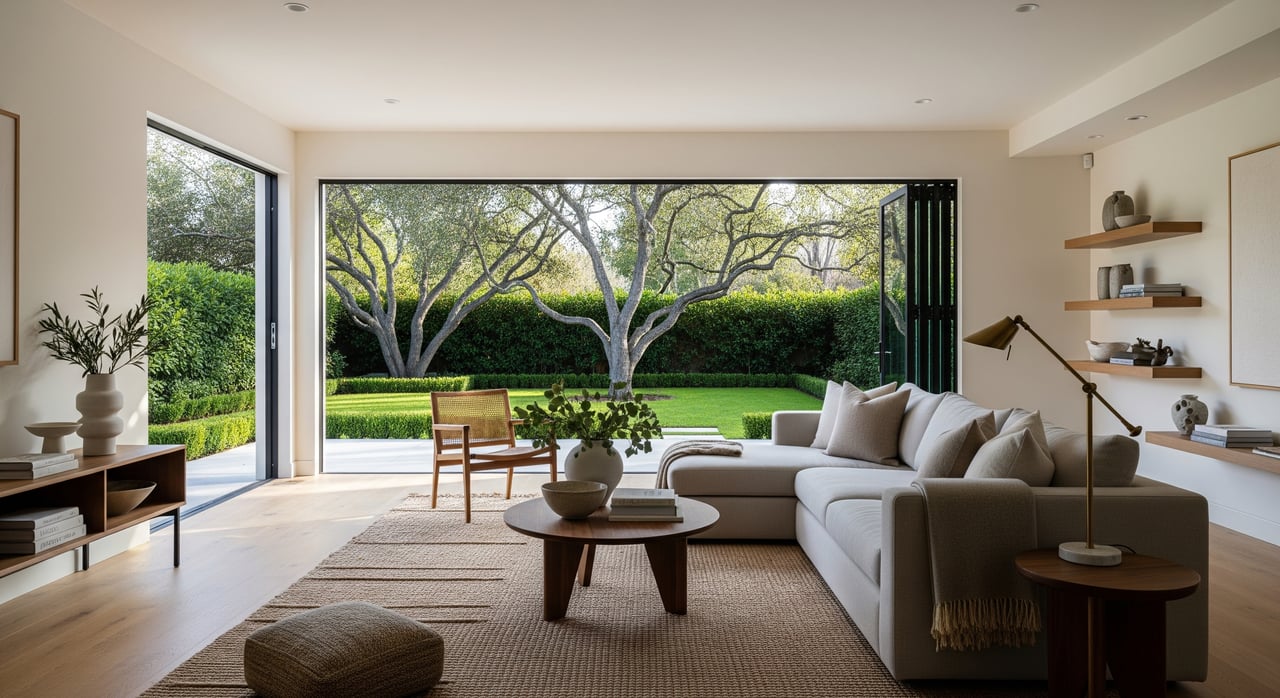
Staging and photography work together. Staging creates scale, focal points, and lifestyle cues. Professional photography then translates that look into compelling images that draw clicks.
Better photos, better clicks
- Composition and scale: Furniture shows how rooms function and flow, making photos clearer and more inviting.
- Light and color: Lamps and balanced décor can warm up images and improve color accuracy.
- Decluttered spaces: Styling reduces distractions, which helps thumbnails and virtual tours stand out.
Virtual staging: pros and cons
- Pros: Lower cost than physical staging, quick turnaround, helpful for vacant rooms to show potential.
- Cons: Must be clearly disclosed where required. It does not help in-person showings and can appear unrealistic if overdone. Consider it a bridge if you need immediate online presence while planning physical staging.
Photo day checklist
- Complete staging or refresh before photos.
- Clear counters, nightstands, and bathroom surfaces.
- Hide personal photos, small valuables, and cords.
- Replace burned-out bulbs and add lamps in darker corners.
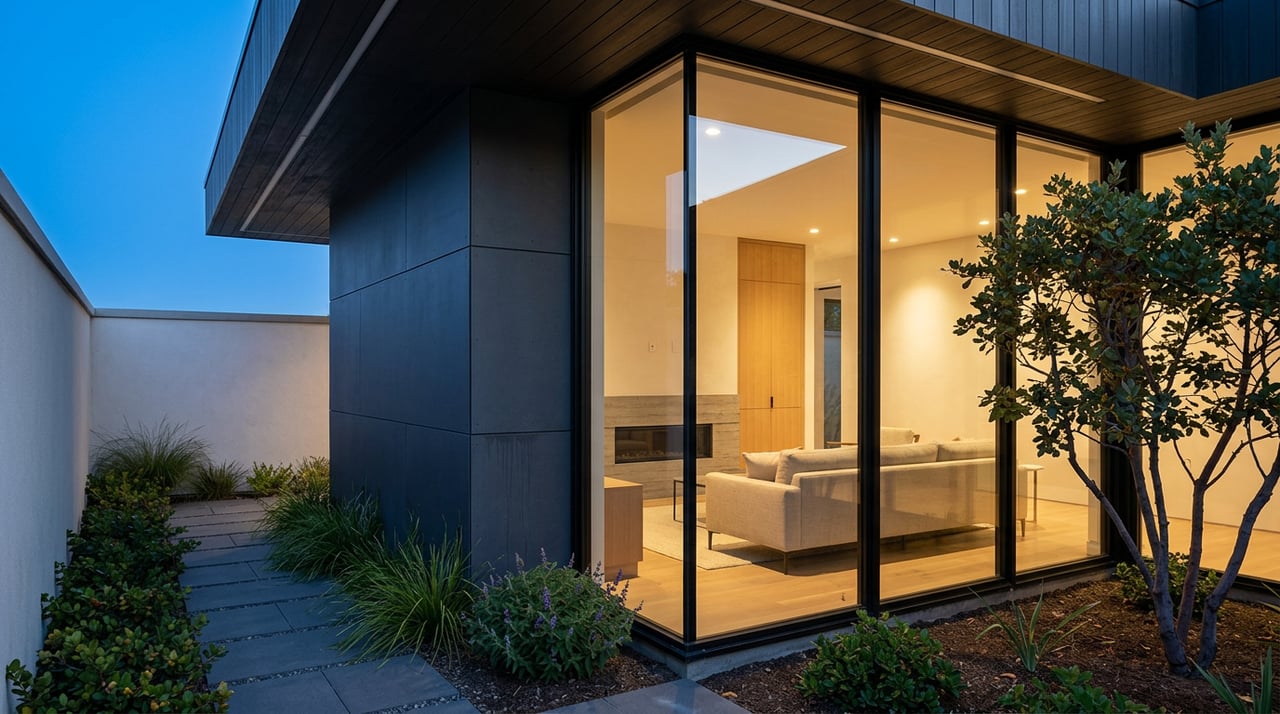
- Plan twilight exterior shots if the weather cooperates.
Choose your staging plan
Use this simple, stepwise framework to decide between refresh, partial, or full staging.
Quick assessment
Score each item as Low, Medium, or High, or answer Yes or No.
- Price position: Are you at the upper end of local comps?
- Occupancy: Is the home vacant?
- Furnishings: Are current pieces modern and neutral?
- Visible wear or clutter: Will it undermine photos or showings?
- Floor plan: Do rooms need scale cues or clearer function?
- Target buyer: Do likely buyers expect move-in-ready finishes?
- Comps: Have nearby listings shown staged photos?
- Time and budget: How quickly do you need to list, and what budget is comfortable?
Decision rules
- If the home is vacant or priced near the top of local comps and buyer expectations are high, choose full staging.
- If you live in the home, your furnishings are neutral, and the budget is lower, choose refresh staging.
- If you live in the home but key rooms are worn or the floor plan needs definition, choose partial staging for living, kitchen and dining, primary, and possibly a home office.
- If timing is immediate and budget is tight on a vacant property, consider virtual staging for photos, then add physical staging before showings if possible.
Suggested plans by scenario
- Vacant and high-priced: Full staging across main living areas, kitchen and dining, primary suite, and a dedicated office if space allows. Add exterior styling and plan a twilight shoot.
- Occupied with desirable décor, mid-range pricing: Refresh with decluttering, touch-up paint, and professional cleaning before photos.
- Occupied with worn key rooms, competing with staged comps: Partial staging for main living areas and the primary suite, plus professional photos and targeted marketing.
- Quick sale, conservative budget: Refresh, strong pricing strategy, and professional photography. Consider limited virtual staging for online appeal.
Minimum checklist for every listing
- Deep clean and depersonalize.
- Declutter surfaces and closets.
- Neutralize bold wall colors; touch up paint.
- Fix visible issues like loose hardware or peeling caulk.
- Brighten with consistent bulbs and added lamps.
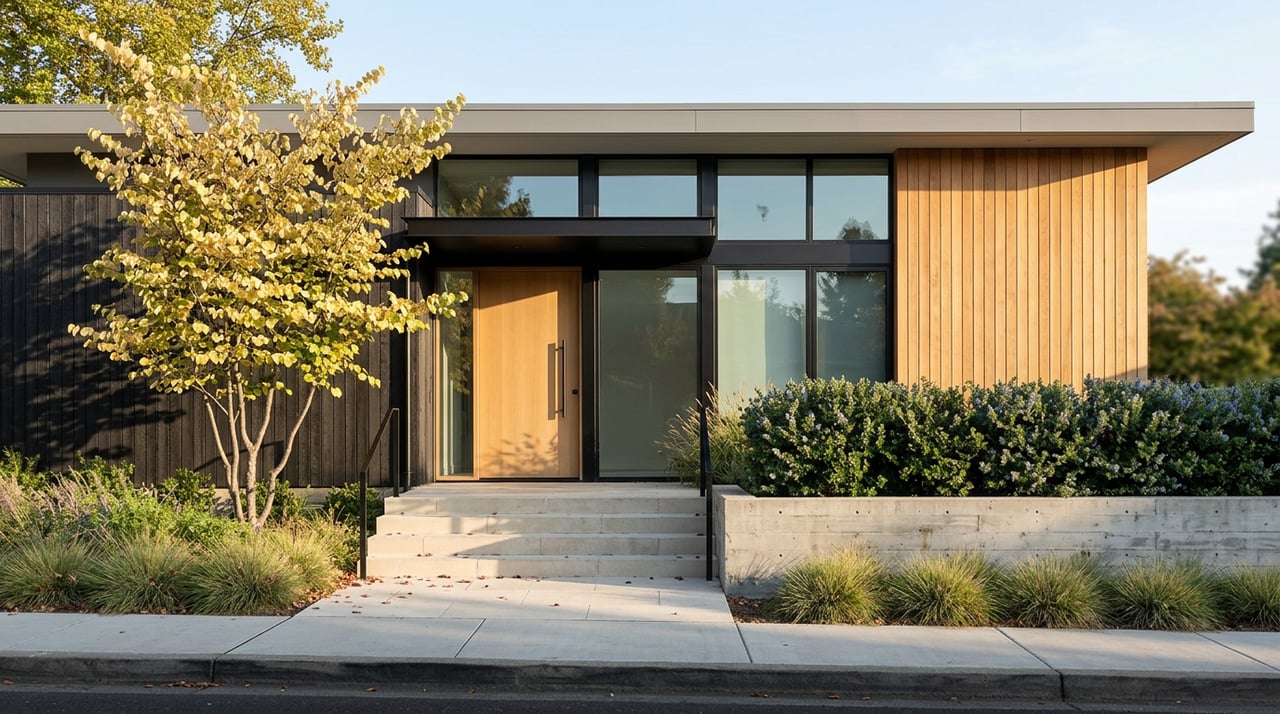
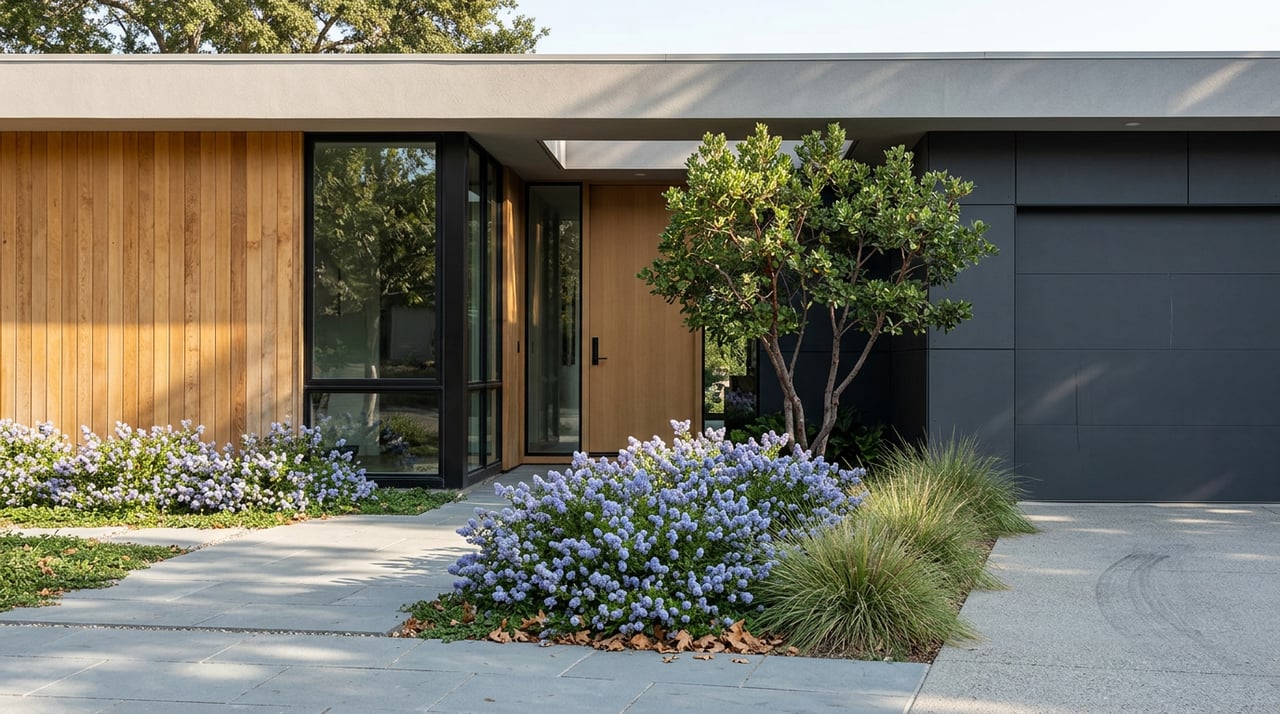
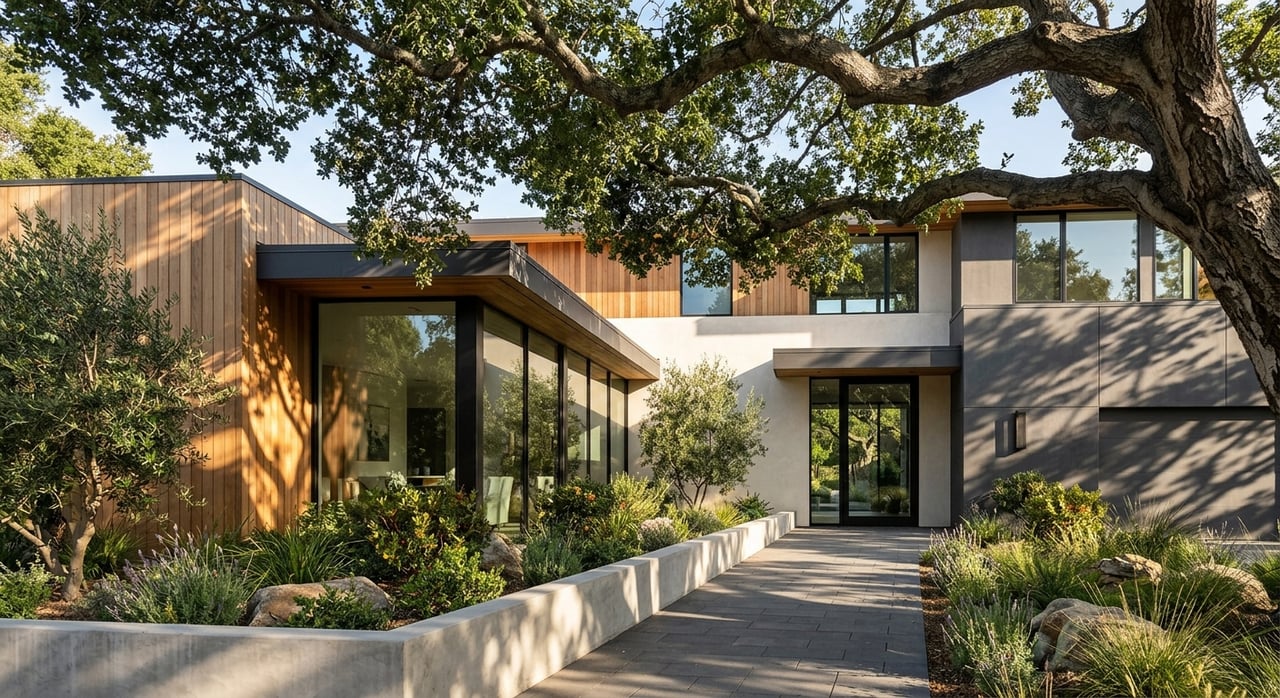
- Improve curb appeal with pruning and simple plants.
- Book professional photos within 24 to 72 hours after staging or refresh.
Final thoughts and next steps
In Los Altos, strategic staging can meaningfully improve how buyers perceive your home online and at showings. Whether you opt for a thoughtful refresh, a targeted partial plan, or full staging, the goal is the same: present a clean, well-scaled, move-in-ready feel that supports your pricing and timeline. Pair that with professional photography and a clear plan for showings, and you set yourself up for a confident sale.
If you are considering a move and want guidance tailored to your property, connect with Kathleen Pasin to request a complimentary home valuation and a personalized marketing plan.
FAQs
Is staging necessary in a strong Los Altos market?
- Staging is not mandatory, but in design-sensitive, higher-value markets it often strengthens first impressions, supports pricing, and can reduce time on market.
How much does staging cost in Los Altos?
- Costs vary by home size and scope; refresh is typically the lowest cost, partial staging runs in the several-thousand-dollar range, and full staging commands higher setup and monthly rental in premium markets.
Can I live in my home while it is staged?
- Yes, many sellers do; focus on decluttering, limiting daily wear in staged rooms, and following the stager’s guidelines to keep spaces photo-ready.
Which rooms should I stage first if I am on a budget?
- Prioritize the living room, kitchen and dining area, and primary bedroom; consider a home office if it aligns with likely buyer needs.
Is virtual staging accepted for Los Altos listings?
- It can be helpful for vacant rooms and quick timelines, but it should be clearly disclosed where required and it does not replace physical staging for in-person showings.
How long does staging installation usually take?
- After a consult, expect 3 to 14 days to schedule delivery and install; plan photos 24 to 72 hours after installation to capture the best presentation.