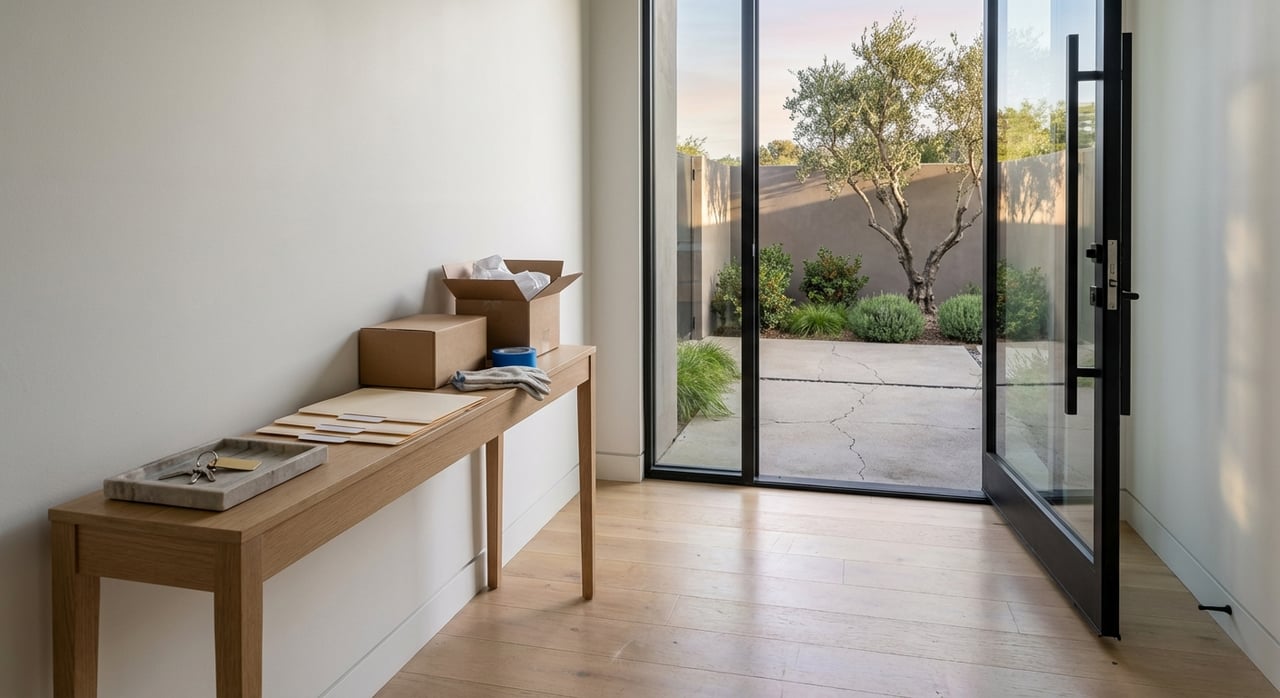
Estate Sales In Palo Alto: A Guide For Heirs And Trustees
February 19, 2026
February 19, 2026
Losing a loved one is hard enough. Sorting out their Palo Alto home can feel like a second full‑time job. You want a clear plan that honors the estate, keeps you compliant, and moves forward without costly delays. This guide gives you a simple, local roadmap you can follow, from confirming who has authority to sell to preparing the property and managing taxes and timelines. Let’s dive in.
Start by gathering the deed, any living trust, and will. Look for joint tenancy language or a recorded transfer‑on‑death deed. If the home is titled in a properly funded living trust, the successor trustee usually has authority to sell without probate. If the home is in the decedent’s name alone and the estate is above small‑estate limits, probate often controls the sale. Local court self‑help pages explain probate basics and required filings in Santa Clara County. Review the county guidance on the Santa Clara County Superior Court probate self‑help page.
California offers several simplified procedures that may avoid full probate for certain estates. The state updates dollar limits over time, so check the Judicial Council’s DE‑300 for the current thresholds and which shortcut fits based on the date of death. Two common paths are the small‑estate affidavit for personal property and a separate petition to determine succession to a residence. Review current limits and timing on the Judicial Council DE‑300 page.
California allows a revocable transfer‑on‑death deed for certain residential property. It must follow a statutory form, be witnessed and notarized, and be recorded within 60 days of notarization to be effective. After death, beneficiaries have notice and recording steps, and there are time windows for challenges. If you suspect a TOD deed, verify the exact recording details before opening probate. You can read the statute at Probate Code section 5642.
Order multiple certified copies of the death certificate. Secure the property, update or maintain insurance, and stop or forward mail. Order a preliminary title report to surface mortgages, liens, easements, and any trust or TOD recordings. Title will later require proof of your authority before closing a sale.
Review the deed and trust terms. If a properly funded trust holds title, the successor trustee typically manages the sale. If the decedent owned the home individually and the estate exceeds small‑estate limits, a probate petition is often required in Santa Clara County. Use the DE‑300 thresholds and the county probate self‑help page to confirm the right path.
File a petition for probate with Santa Clara County and obtain Letters Testamentary or Letters of Administration before accessing certain accounts or signing for the estate. Expect to file an Inventory and Appraisal and to work with a probate referee for noncash assets. Timelines vary; many probates take several months to a year or longer. Local practice and whether you have independent administration influence if a sale needs court confirmation; the court’s self‑help page outlines the process at the Santa Clara County probate self‑help page.
The successor trustee follows the trust terms. Gather the trust document, trustee certification, and death certificates. Title or escrow may also request a trustee affidavit and specific signature pages. When in doubt, consult the estate attorney or a title officer to confirm documentation.
Request a current title report, plus payoff figures for mortgages, HOA liens, or tax liens. Identify anything that must be released before or at closing. Clearing these items early avoids last‑minute delays.
When a transfer is recorded, the county usually requires a Preliminary Change of Ownership Report or a related change in ownership statement. If the change results from death, special timing rules apply. Review change‑in‑ownership guidance on the California State Board of Equalization page and confirm local procedures with the recorder or assessor.
Transfers at death can trigger reassessment unless an exclusion applies. Proposition 19 limits the parent‑child reassessment exclusion and generally requires the child to occupy the home as a principal residence and meet other conditions to qualify. Check filing timelines and requirements on the Board of Equalization’s change in ownership page and confirm details with the Santa Clara County Assessor.
In many cases, an heir’s tax basis in inherited property is the fair market value on the date of death, which can reduce taxable gain if you sell soon after. See the IRS overview in Publication 551 on basis of assets, and discuss reporting with a CPA. For larger estates, federal estate tax rules change from year to year. Review current thresholds and filing questions in the IRS Estate and Gift Tax FAQs and consult an estate tax professional.
Before you sell or donate, have a qualified appraiser review fine art, jewelry, antiques, or rare collectibles. Accurate values support estate accounting, potential estate tax filings, and any later charitable deductions.
Plan removals in phases: keep, sell, donate, recycle, or dispose. Palo Alto’s Zero Waste program and city contractor provide curbside services, bulky‑item pickups, and a Household Hazardous Waste program. Review what goes where and how to schedule city services on the City of Palo Alto Zero Waste page. Keep receipts and photos of every pickup or disposal.
Local nonprofits accept many household items, but rules vary by organization and condition. For tax purposes, retain detailed donation receipts with dates and descriptions. If noncash donations exceed IRS thresholds, you may need a qualified appraisal and Form 8283. See substantiation rules in IRS Publication 526.
In Palo Alto, privacy and speed often matter. Many families hire a full‑service manager to coordinate appraisal, private previews, sales, donations, and final clean‑up. Always get at least two written bids and confirm insurance and scope before you sign.
Decide how you want to sell the property while you progress through legal steps. Options include a full market listing, an as‑is sale to a cash buyer, or a trust or probate sale that may need court confirmation. If court confirmation is required, buyers may face an overbid process at a hearing, and timelines can be longer. Your purchase agreement should reflect the required steps and any court timelines. Disclose known material facts about the property, even in a probate or trust sale; California sellers and fiduciaries must share what they know about condition and issues. The Santa Clara County probate self‑help page outlines confirmation concepts and local practice.
If a small‑estate shortcut applies, you may complete transfers in weeks to a few months. Many trust sales follow normal market timelines. Full probate commonly takes several months to a year or more, especially if a court confirmation hearing is required or disputes arise. Plan conservatively for both time and cash needs, and build in flexibility.
Preparing and selling an estate home in Palo Alto does not have to be overwhelming. With the right plan, proper authority, and local resources, you can protect the estate, respect the timeline, and achieve a thoughtful result. If you would like discreet, concierge‑level guidance on pricing, timing, prep, and marketing, connect with Kathleen Pasin to Request a complimentary home valuation.
Stay up to date on the latest real estate trends.






Her expertise in real estate ensures that you receive informed and objective guidance. Contact Kathleen to learn how she can assist you in meeting your real estate needs.

KATHLEEN PASIN | CA DRE# 01396779
[email protected]
(650) 450-1912
ADDRESS
3000 El Camino Real
Palo Alto, CA 94306