Palo Alto Architectural Styles That Shape Buyer Appeal
May 7, 2026
May 7, 2026
If you are buying or selling in Palo Alto, architecture matters more than many people realize. A home’s style often shapes first impressions, online click-through, and how buyers connect with a property once they step inside. When you understand which architectural details buyers notice and why they matter, you can make smarter decisions whether you are searching for the right fit or preparing a home for market. Let’s dive in.
Palo Alto has an unusually layered residential history, and that variety shows up block by block. The city’s Historic Preservation Program began in 1979, and Palo Alto now includes four National Register districts.
The city’s historic surveys identify major residential styles that include Craftsman, Colonial Revival, Spanish Colonial Revival, Streamline Modern, and Tudor Revival. In areas such as Professorville, Ramona Street, and Greenmeadow, those styles are not abstract labels. They shape the look, feel, and identity of the homes buyers tour today.
For buyers, architecture helps answer practical questions as well as emotional ones. Does the home feel warm and human-scaled? Does the layout fit how you live? Does the property offer original character, indoor-outdoor flow, or a more formal room arrangement?
For sellers, style can be a real asset when it is presented clearly. In a market like Palo Alto, buyers often respond to homes that feel specific and authentic rather than generic.
Craftsman homes in Palo Alto trace back to the early 20th century and often reflect Arts and Crafts ideals. Local surveys note the use of natural materials and, in some cases, a blending with Shingle and Colonial Revival influences.
Buyers are often drawn to the visible handwork in these homes. Features such as porches, built-ins, original woodwork, and balanced proportions tend to create a sense of warmth that stands out both online and in person.
This style often appeals to buyers who want authenticity and character. If the home still retains key details, it can feel far more memorable than a renovated house with generic finishes.
In Palo Alto, Spanish Colonial Revival and Early California homes are especially associated with places like the Ramona Street district. The city’s surveys highlight signature details such as stucco walls, low-pitched red tile roofs, arches, courtyards, wrought iron, and a strong relationship to patios and gardens.
These homes often attract buyers who want a distinctly California feel. Their inward orientation and connection to outdoor space line up well with what many buyers still want today: privacy, atmosphere, and easy indoor-outdoor living.
For many people, this style offers both romance and function. The appeal is not just visual. It is also about how the home lives day to day.
Greenmeadow is one of Palo Alto’s clearest examples of midcentury design. Its National Register nomination describes 243 single-story Eichler homes built in 1954 and 1955 with slab-on-grade post-and-beam construction.
Across Palo Alto, Eichler and other midcentury-era homes are known for open plans, glass walls, clerestory windows, and strong indoor-outdoor connections. These are the same qualities many current buyers prioritize when they think about flexibility, natural light, and how spaces flow together.
This style often has broad appeal because it feels both architectural and livable. Buyers who care about layout and design tend to notice these homes quickly, especially when the original intent is still visible.
Professorville preserves some of Palo Alto’s earliest homes, including Queen Anne forms with corner towers and Colonial Revival houses. The city also identifies Tudor Revival as one of the area’s major styles.
These homes usually appeal to buyers who value history, ornament, and more traditional room hierarchy. They can feel especially compelling when the exterior remains intact and the key interior details still read as authentic.
For the right buyer, these homes offer presence and a sense of continuity. Their appeal often rests on craftsmanship and period detail rather than open-plan simplicity.
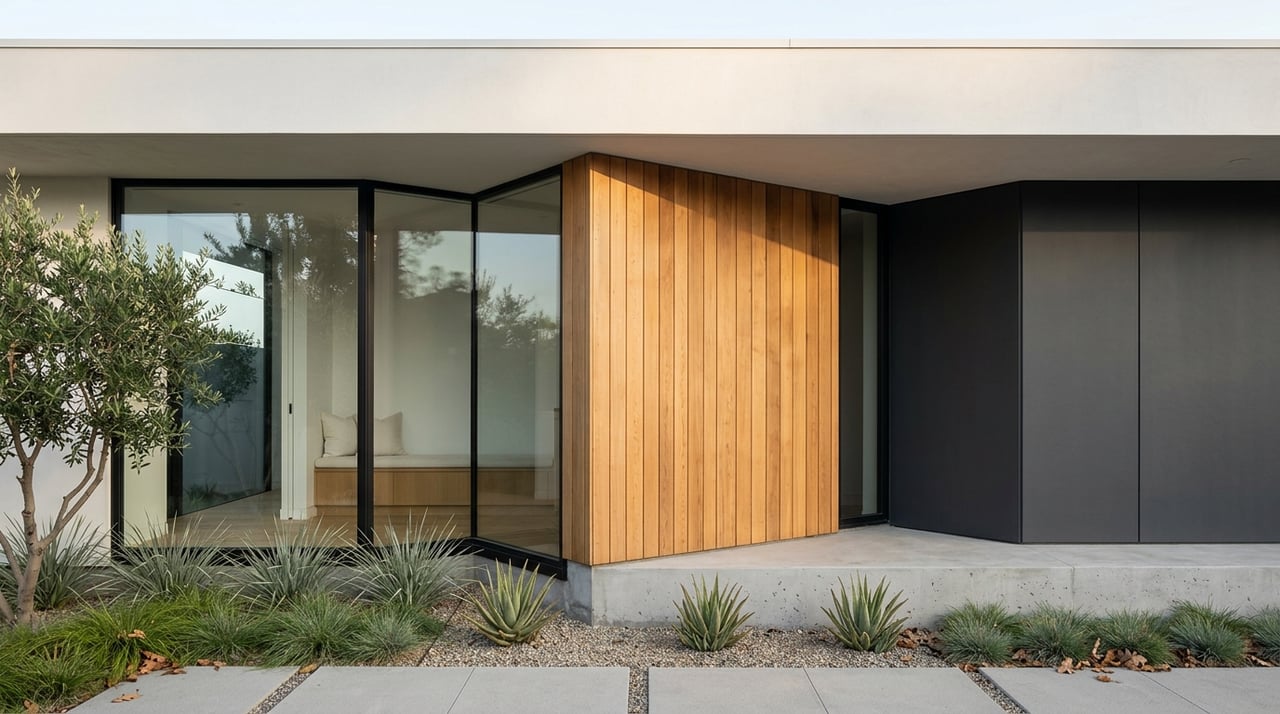
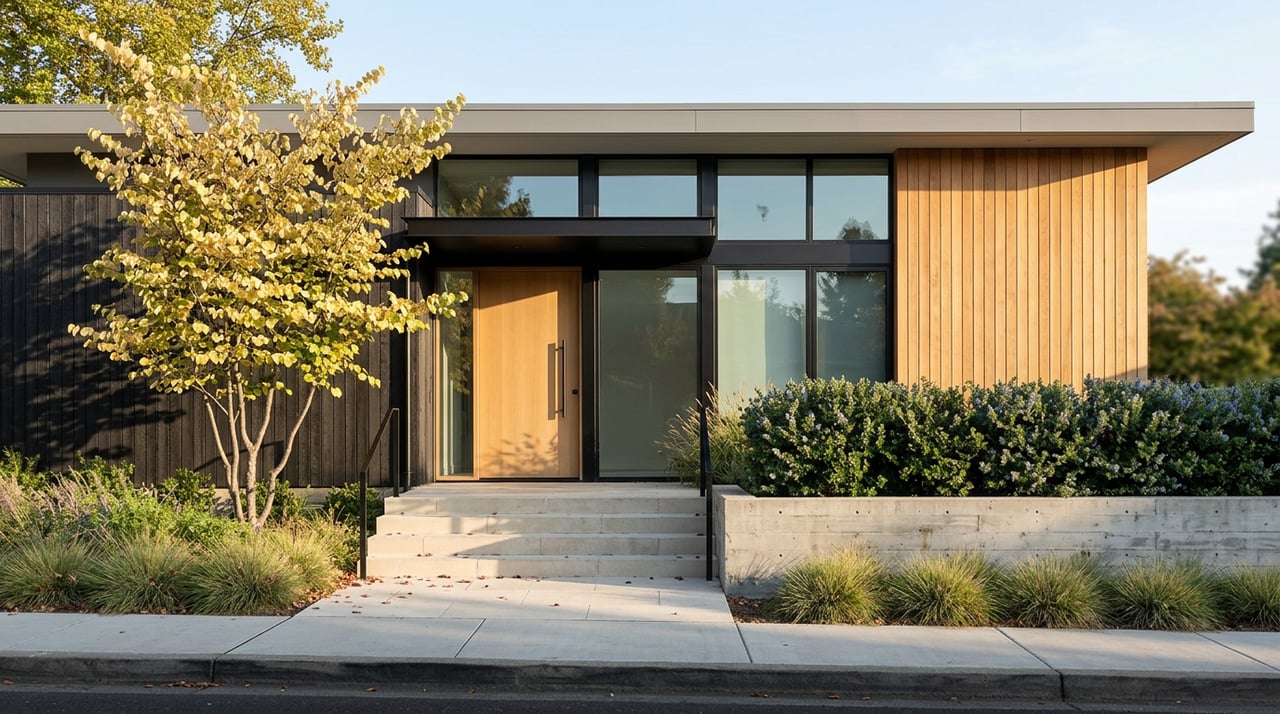
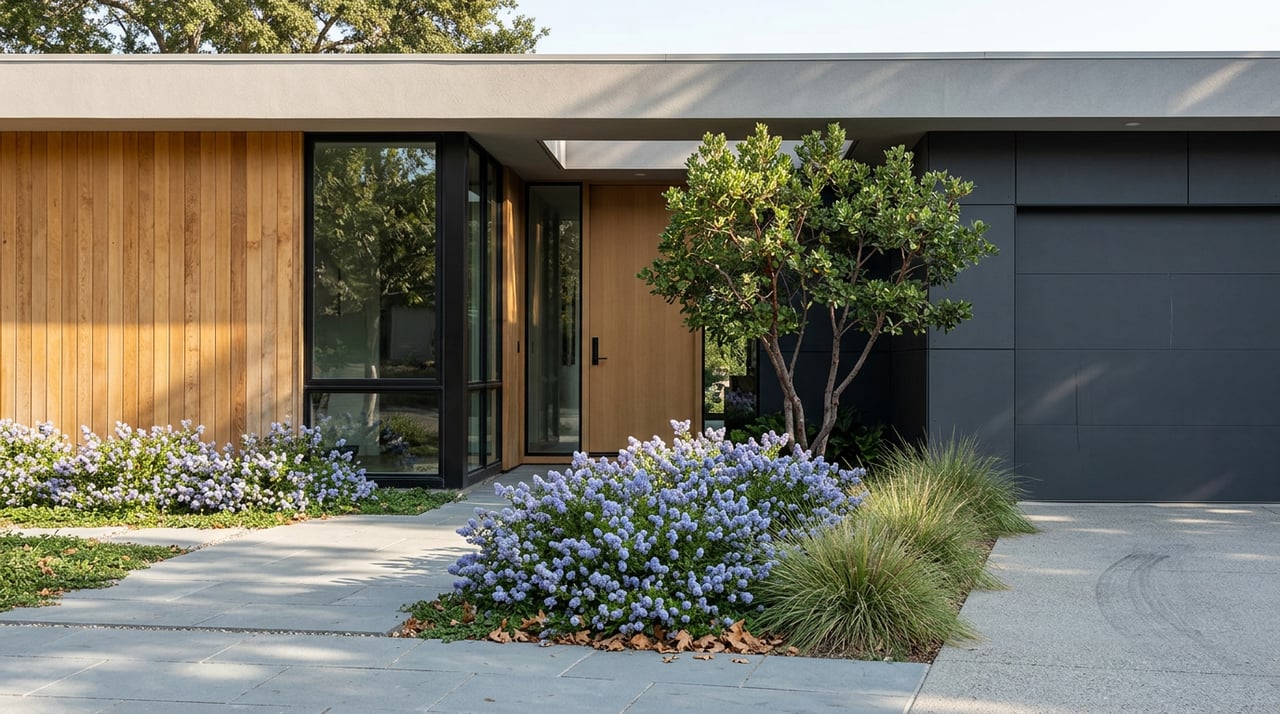
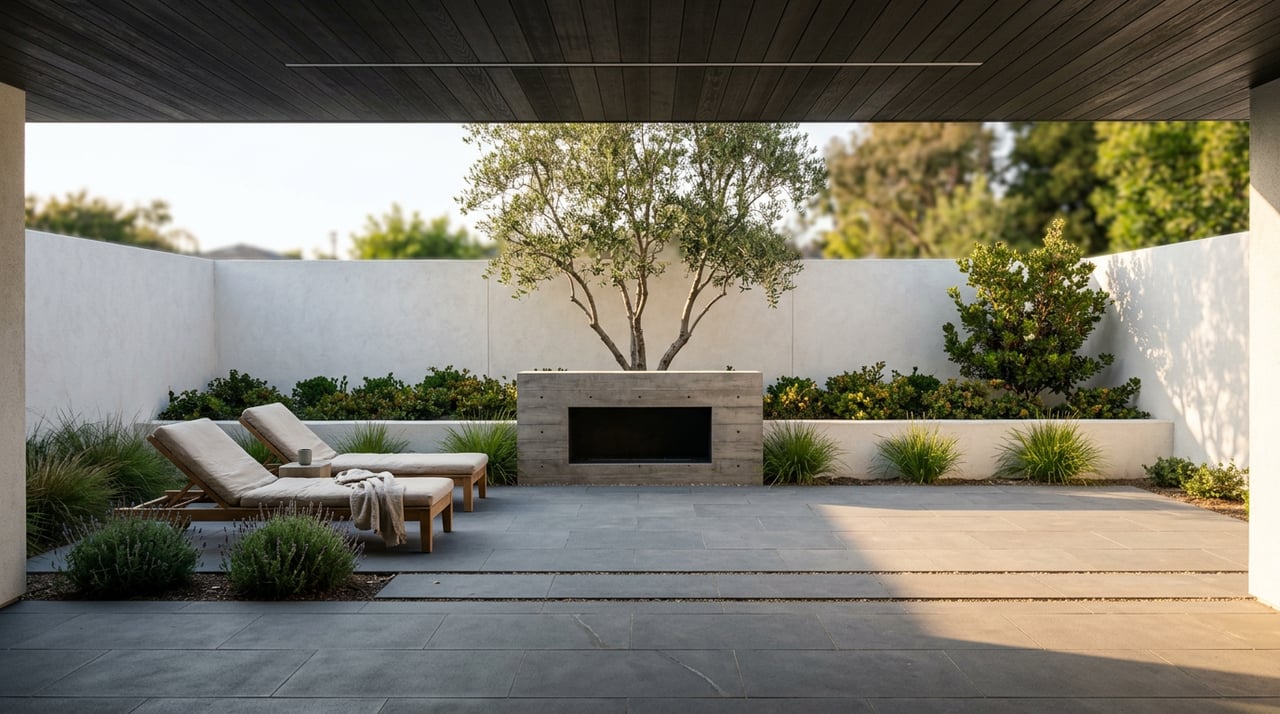
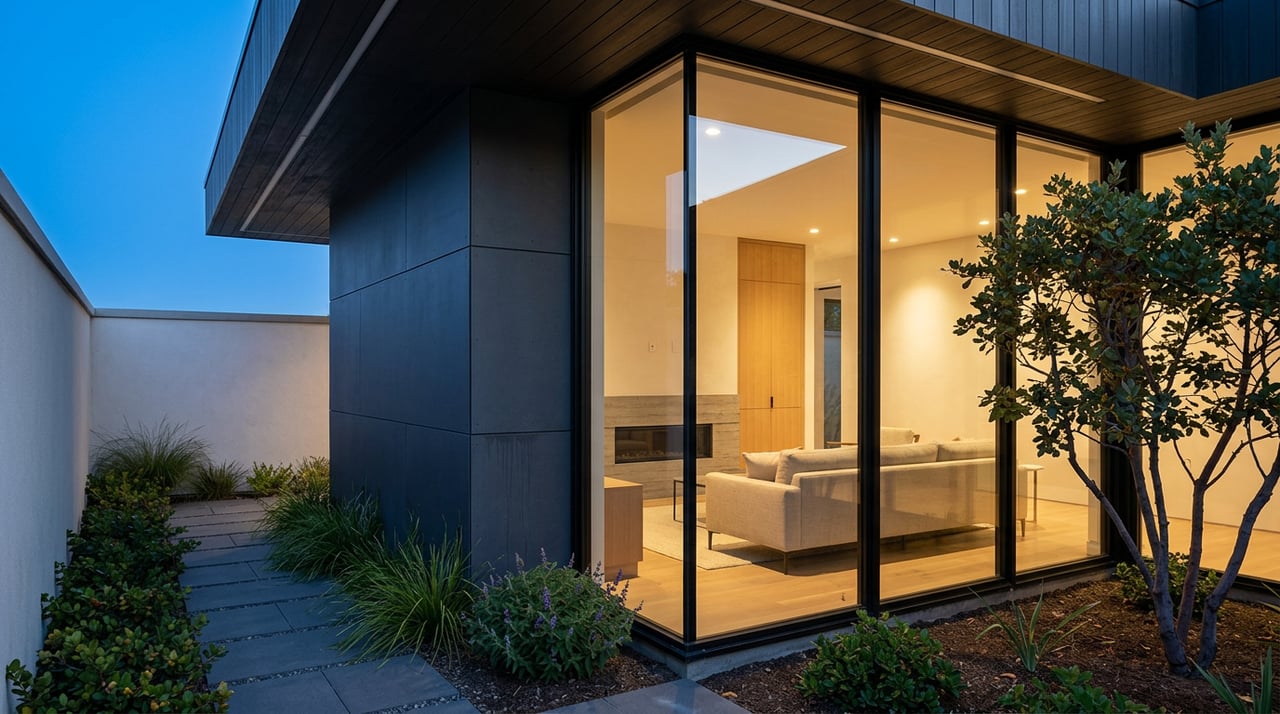
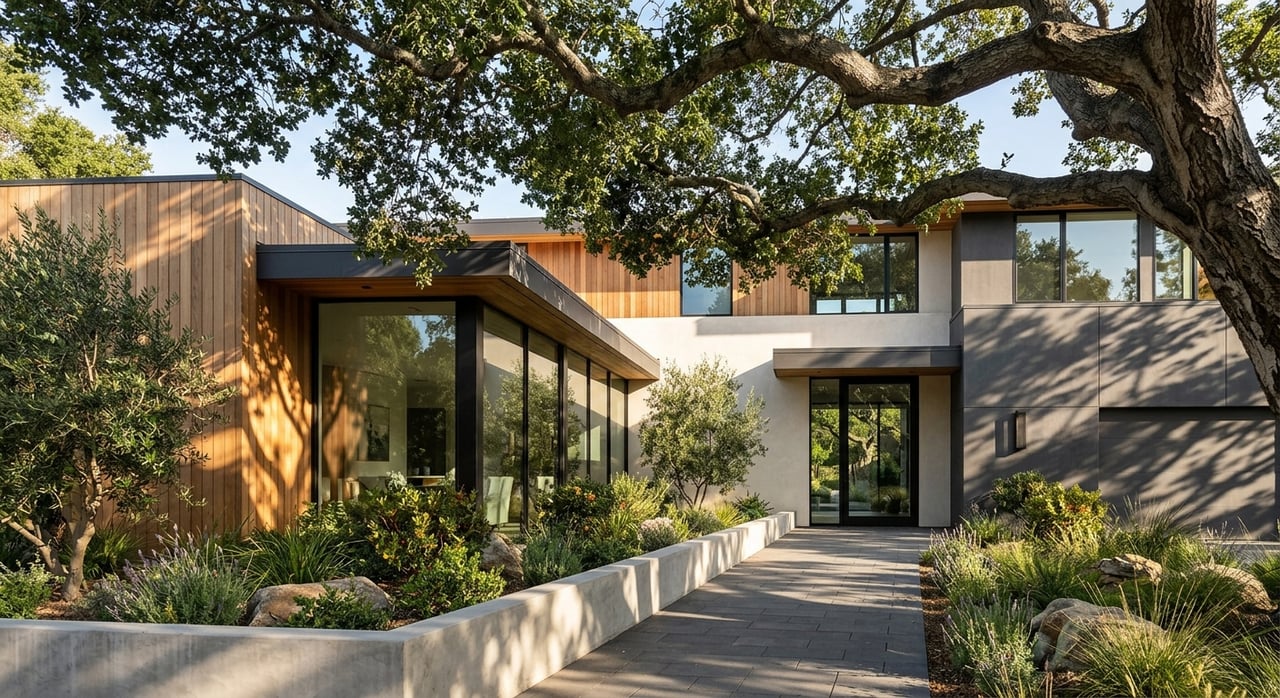
Contemporary homes in Palo Alto often emphasize site-driven design, open gathering spaces, privacy, and strong connections to the landscape. Recent local examples have used materials such as glass, cedar, and zinc to create homes shaped as much by their setting as by the structure itself.
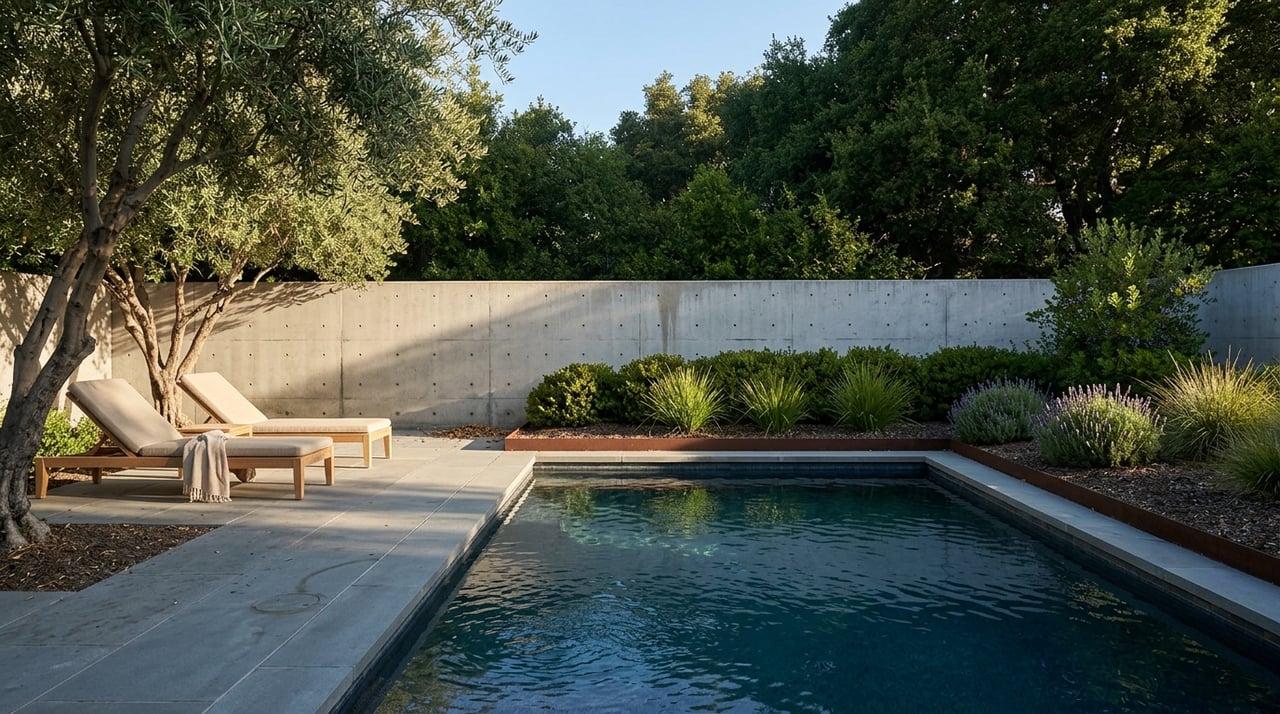
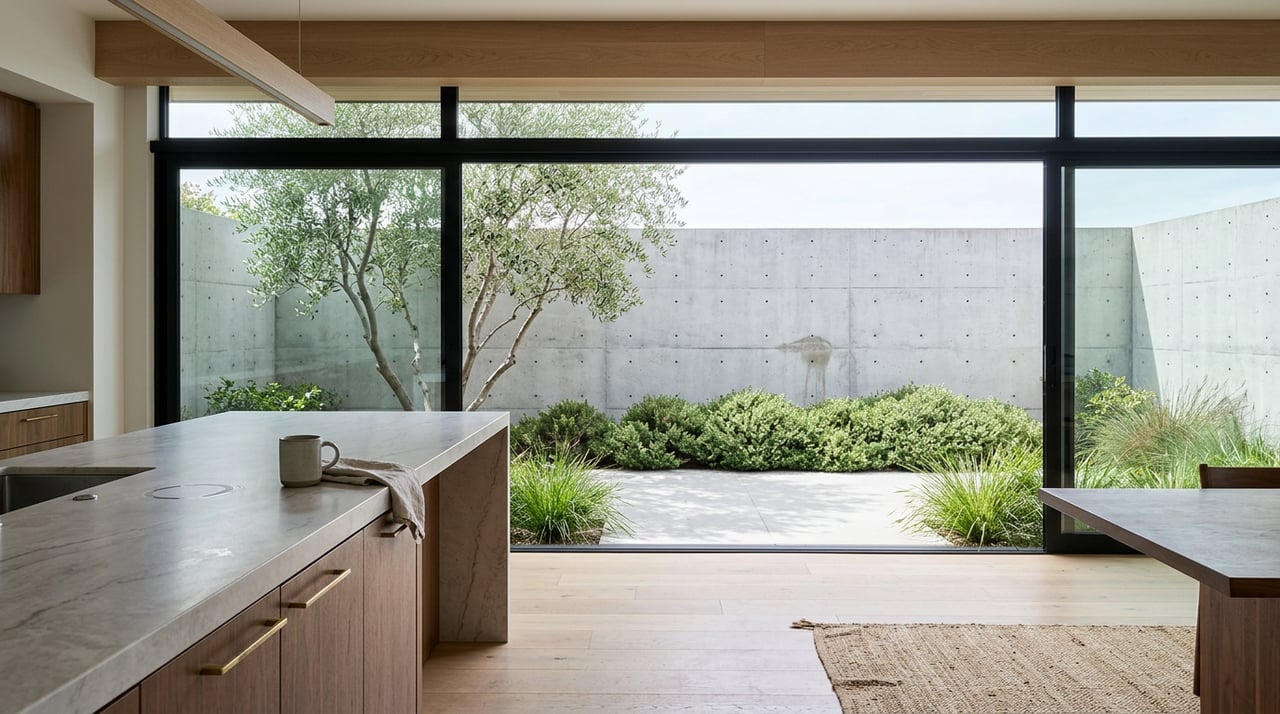
This style often resonates with buyers who want flexibility and a clean, modern feel. It also aligns with current priorities around private outdoor space and layouts that support both entertaining and quiet separation.
In many cases, contemporary homes attract buyers who want design-forward living without giving up comfort. The strongest examples feel intentional from the street to the backyard.
A style label alone is not enough. Buyers usually respond to the specific elements that make the architecture legible and believable.
In Palo Alto, those details often include:
Palo Alto’s inventory criteria favor homes that are representative of an important style, a rare building type, an important architect, or outstanding craftsmanship. That is one reason homes with preserved character can stand out at resale.
Put simply, buyers notice when a house feels cohesive. They also notice when important details have been stripped out or replaced in ways that blur the home’s identity.
In Palo Alto, resale value can benefit when a property still conveys its original character. The city notes that locally designated historic resources can receive incentives, and it also says National Register listing generally comes with higher sales value because of listed benefits.
That said, historic status can also affect what changes are reviewed. For listed, eligible, or district properties, exterior projects typically require review, while routine maintenance, interior work, and landscaping usually do not if exterior appearance stays the same.
For sellers, this creates an important planning point. Before replacing windows, changing a roofline, or altering visible trim, it is wise to confirm what rules apply.
For buyers, it helps to understand that architectural value is not just about age. It is about whether the home still communicates the style that made it special in the first place.
When a home has architectural identity, that should be named clearly in the marketing. Rather than focusing only on square footage and bedroom count, strong listing presentation helps buyers understand what they are looking at before they schedule a tour.
This matters because digital presentation shapes early interest. Zillow’s 2024 buyer research found that 86% of buyers are more likely to view a home if the listing includes a floor plan they like, and NAR found that photos, detailed property information, and floor plans were among the most useful digital listing features.
Floor plans are especially helpful for homes where layout is part of the appeal. In midcentury and contemporary homes, sightlines, openness, and transitions to outdoor areas are often central to the buyer experience.
Room-by-room photography supports that story. It helps buyers understand proportion, flow, and how the home functions before they arrive.
Many sellers complete improvements before going to market. Zillow found that 72% of sellers completed at least one improvement project, most often interior paint, bathroom work, and kitchen improvements.
For architecturally notable homes, the goal is usually not to erase the past. It is to refresh the home in a way that feels clean, current, and consistent with its design.
Good staging should help the architecture read clearly. In Craftsman, Spanish Colonial, Eichler, and contemporary homes, open views, uncluttered windows, and simplified furniture layouts can make a big difference.
This is especially true when the connection between interior rooms and outdoor space is part of the design story. Buyers should be able to see how the home was meant to live.
If you are buying in Palo Alto, it helps to look beyond surface finishes. Paint color and staging can change quickly, but architectural quality is harder to replicate.
As you tour, pay attention to:
You do not need to be an architectural expert to spot the difference. In many cases, the strongest homes simply feel more coherent and better resolved.
Palo Alto is not a one-style market, and that is part of its appeal. From brown-shingled homes in Professorville to Spanish-influenced homes on Ramona Street to Eichlers in Greenmeadow, each area tells a different design story.
That variety means buyers and sellers benefit from local guidance that goes beyond general market advice. Understanding which details matter, how to present them, and when to check historic-review rules can influence both buyer response and selling strategy.
If you are preparing to sell an architecturally notable home or searching for one that fits your lifestyle, a thoughtful, design-aware approach can help you move with more confidence. For tailored guidance on buying or selling in Palo Alto, connect with Kathleen Pasin.
Stay up to date on the latest real estate trends.


Her expertise in real estate ensures that you receive informed and objective guidance. Contact Kathleen to learn how she can assist you in meeting your real estate needs.
KATHLEEN PASIN | CA DRE# 01396779
[email protected]
(650) 450-1912
ADDRESS
3000 El Camino Real
Palo Alto, CA 94306