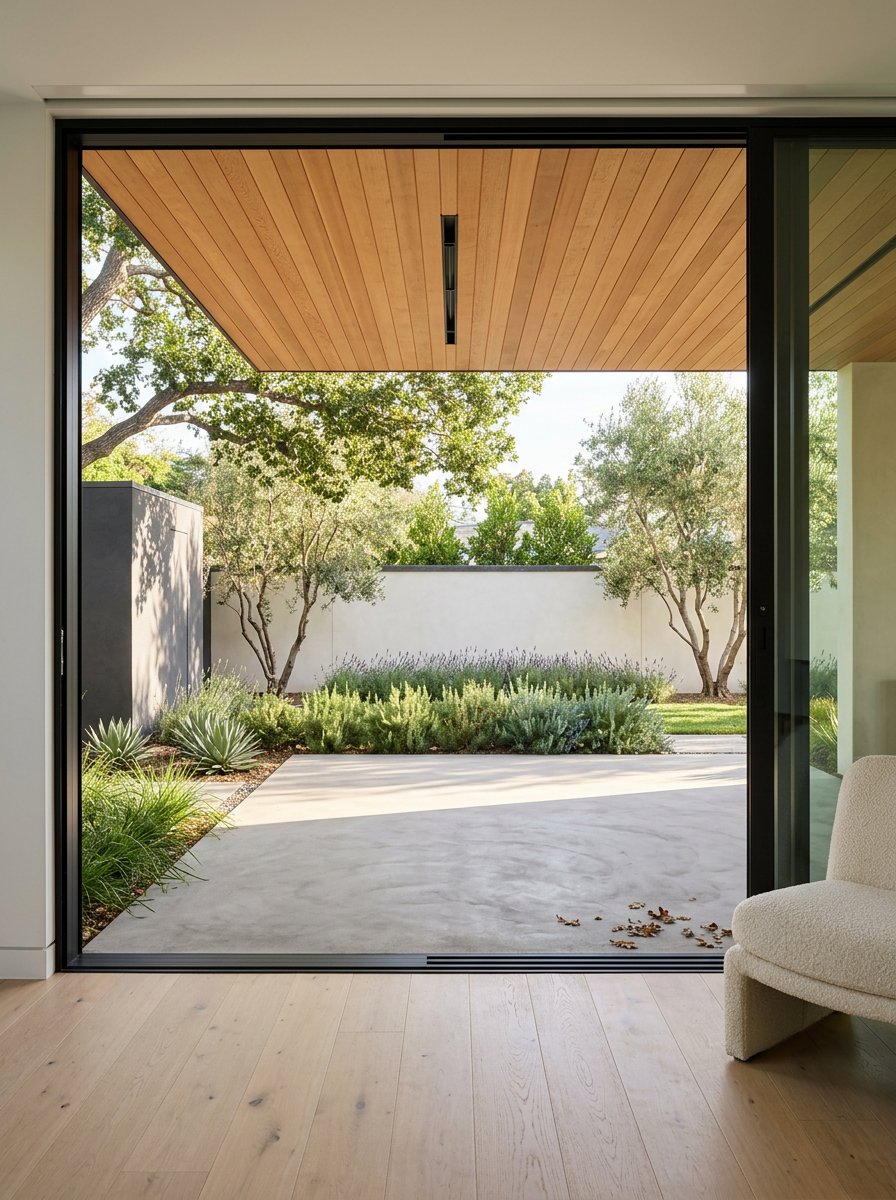
How Locals Spend A Weekend In Palo Alto
March 24, 2026
March 24, 2026
If you had 48 hours in Palo Alto, how would you spend them? Locals follow a simple rhythm built around two lively main streets, beloved farmers’ markets, quick access to open space, and easy cultural stops on the Stanford campus. If you’re exploring a move, you want to know how weekends actually feel on the ground. This guide shows you where people go, why it works, and how different neighborhoods support that lifestyle. Let’s dive in.
Palo Alto moves on a two-main-street beat. University Avenue is the traditional downtown with shops, restaurants, and the Saturday market, while California Avenue is a relaxed neighborhood corridor with its own Sunday market and a different pace. Locals split time between both, often choosing by mood and errands. You can read more about this distinct two-main-street rhythm in a local history piece from Palo Alto Online’s archives for helpful context on how each district evolved (two-main-street rhythm).
Start slow with coffee and a pastry downtown. It’s common to meet friends at a favorite café before walking to the Downtown Palo Alto Farmers’ Market. The market typically runs on Saturday mornings behind the post office on Gilman Street, and it operates year-round. Expect plenty of seasonal produce and a strong community feel. Check the organizer’s page for current hours and vendor updates (Downtown market details).
After the market, locals head for quick outdoor time. Two favorite options are the Stanford Dish and the Baylands Nature Preserve. The Dish is a paved loop with views; plan for sun exposure and limited parking, and note that dogs and bikes are generally not allowed on the trail (Stanford Dish visitor notes). If you prefer flat, breezy walks and birding, the Baylands offers extensive marsh trails and wide-open skies close to town (Baylands Nature Preserve overview).
Palo Alto favors lively restaurants, wine bars, and small community events over late-night clubs. Saturday evenings often mean dinner around University Avenue and Lytton Avenue. You’ll find a mix of long-standing institutions and notable new openings. For recent highlights and award chatter, browse local coverage that tracks the dining scene and new arrivals (Palo Alto dining highlights). As always, verify reservations and hours, especially for patios and larger groups.
Sunday centers on California Avenue. The California Avenue Farmers’ Market typically runs 9:00 a.m. to 1:00 p.m., year-round, and brings out residents from every corner of the city. Many people pair their market run with a stop at a neighborhood café or bakery and a stroll along Cal Ave’s walkable blocks. Review the market’s page for current hours and scheduled activities (California Avenue market info).
After the market, locals often head to the Stanford campus for a cultural reset. The Cantor Arts Center offers free general admission with regular weekend hours and access to the outdoor Rodin sculpture garden. Program schedules can change, so confirm hours or special exhibits before you go (Cantor Arts Center hours and programs). If you prefer a quieter pause, many residents also enjoy simple garden walks or low-key time in nearby neighborhood parks.
By Sunday evening, the pace dips. People choose relaxed neighborhood dinners or bring home takeout, then prepare for the week ahead. If you’re new to town, this is a great window to drive or bike a few nearby streets to get a feel for different blocks and their evening energy.
Most locals mix walking, biking, Caltrain, and car trips, depending on the plan for the day. Downtown and California Avenue are very walkable for errands and dining. Caltrain’s Palo Alto station serves the downtown area and connects you up and down the Peninsula; weekend schedules evolve with electrification, so check updates before you ride (Caltrain Palo Alto station). For regional preserves or hillside trailheads, driving is typical.
Quick tips:
Where you live shapes how you spend weekends. Palo Alto’s housing stock includes a significant share of single-family homes, alongside condos and townhomes. That mix influences who can walk to markets and cafés and who relies on a car. For city-level context on housing types and planning, review the City’s Consolidated Plan, which outlines local housing characteristics and program goals (City housing and planning context).
If you want a car-light life centered on coffee, the Saturday market, and quick rides to Stanford, the downtown core delivers. Condos, apartments, and smaller townhomes put you close to shops, restaurants, and Caltrain. Many residents plan most errands on foot and head to the Baylands or Dish for quick nature breaks.
Cal Ave feels like a neighborhood Main Street. Small houses and townhomes cluster around the corridor, with the Sunday market as a weekly anchor. With Caltrain nearby and parks close at hand, it suits weekend routines built around walking, short bike rides, and easy brunch or coffee meetups.
These historic, tree-lined neighborhoods tend to be quiet on weekends. Residents often bike to downtown or the Stanford campus and host small gatherings at home. Some historic areas have design guidelines that shape renovation and preservation, which can be a benefit if you value cohesive streetscapes and thoughtful updates.
Farther from the two main streets, these areas emphasize single-family living with larger lots. Weekends often include yard time, gardening, and driving to regional open space. If you plan trips to Foothills Park or other preserves, note that some parks have specific access, reservation, or guest rules that can affect your plans (Foothills Park access and reservations).
For those who prioritize privacy and views, hillside homes trade Main Street strolls for quick drives to trailheads and at-home entertaining. Many residents design weekends around hosting, cooking, and time outdoors, then head into town for targeted errands and dinners.
If you’re evaluating a move, spend one day downtown and one day on Cal Ave to see which rhythm fits. Try both markets, sample a campus visit, and plan at least one quick loop at the Dish or a Baylands walk. As you explore, keep a short list of what matters most: walkability, access to transit, yard space, or proximity to parks and campus.
When you are ready to align weekend lifestyle with the right home, connect with a local advisor who knows these rhythms firsthand. As a third-generation Palo Alto native, Kathleen helps you compare neighborhoods, evaluate property trade-offs, and move with confidence. Ready to talk next steps or pricing strategy? Request a complimentary home valuation with Kathleen Pasin.
Stay up to date on the latest real estate trends.
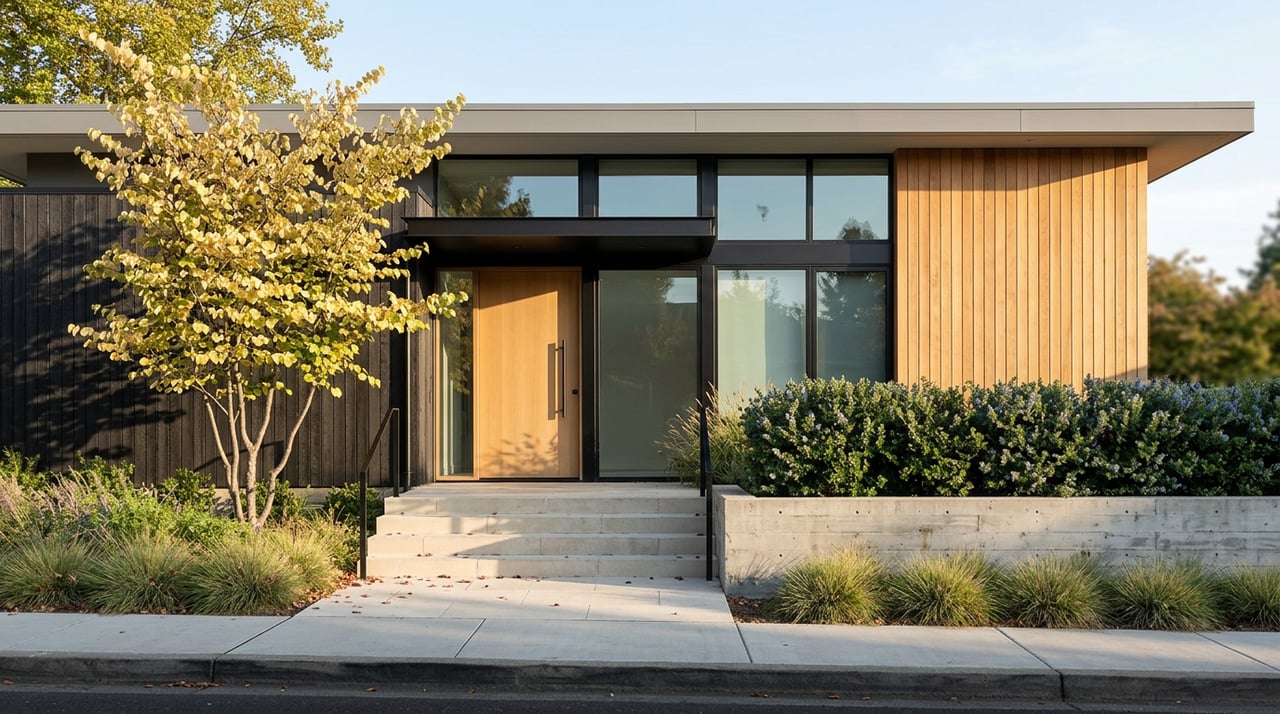


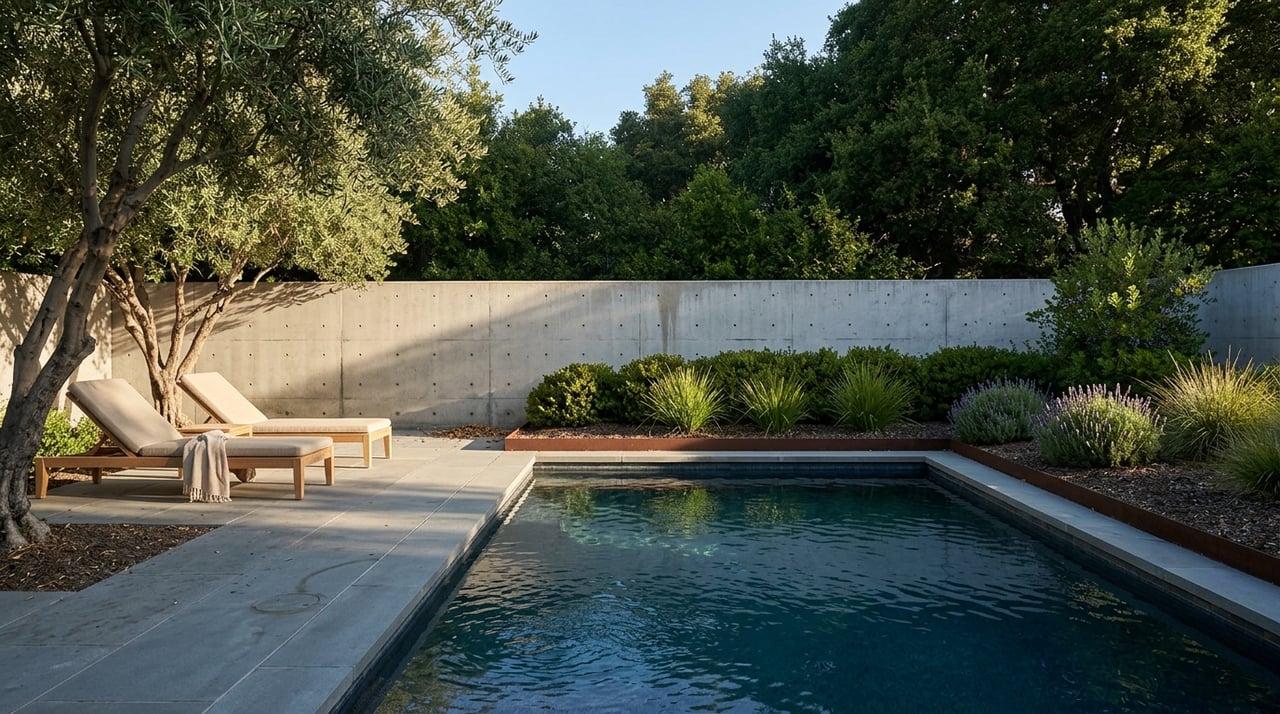
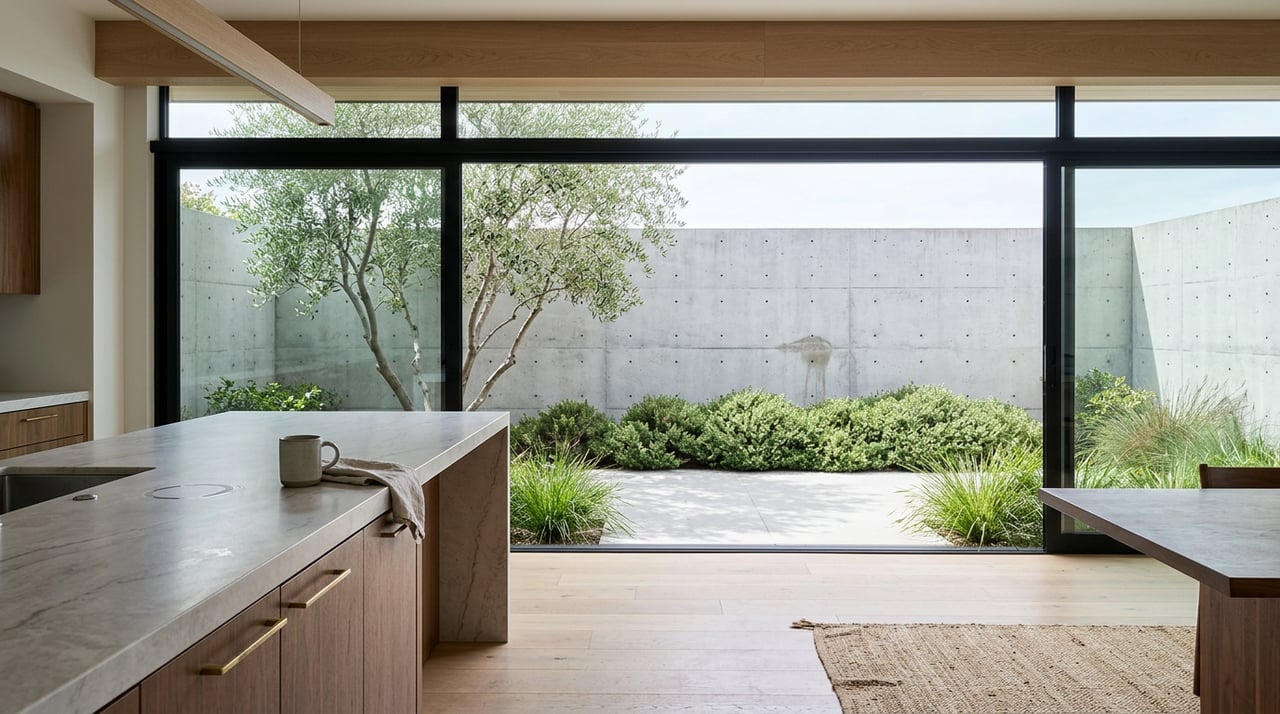
Her expertise in real estate ensures that you receive informed and objective guidance. Contact Kathleen to learn how she can assist you in meeting your real estate needs.
KATHLEEN PASIN | CA DRE# 01396779
[email protected]
(650) 450-1912
ADDRESS
3000 El Camino Real
Palo Alto, CA 94306