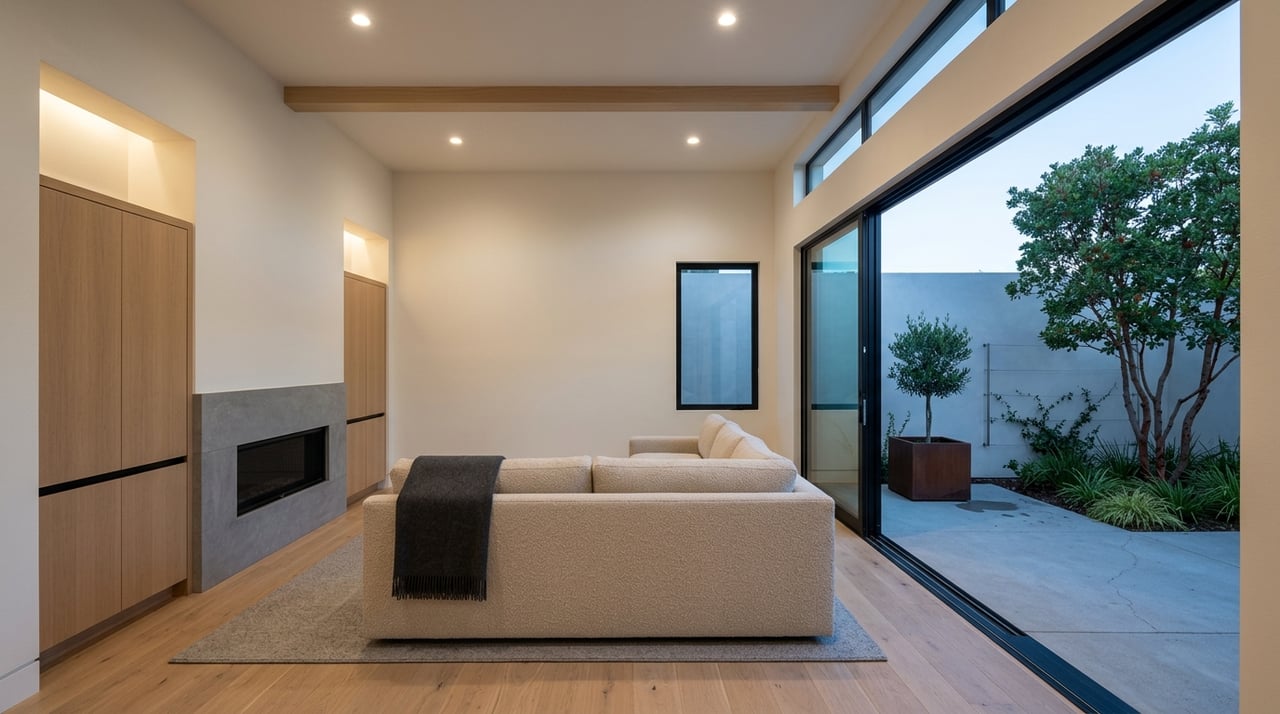
Guiding Aging Parents Through A Palo Alto Home Sale
April 16, 2026
April 16, 2026
If you are helping an aging parent sell a Palo Alto home, you are likely balancing more than a real estate decision. You may be managing emotions, family conversations, paperwork, timing, and a home that has held decades of memories. The good news is that with the right plan, you can reduce stress, protect your parent’s interests, and move forward with more clarity. Let’s walk through the steps that matter most.
Palo Alto is not a typical market, and that matters when an older family home comes up for sale. According to U.S. Census QuickFacts for Palo Alto, 19.9% of residents are age 65 or older, 54.6% of homes are owner-occupied, and the median value of owner-occupied homes is more than $2,000,000.
That often means families are dealing with long-held properties, substantial equity, and homes that may need updates before going on the market. At the same time, the market can move quickly. The research provided for this article notes recent Palo Alto activity that included 75 homes for sale, a median sale price of $3,016,833, and a median of 10 days to pending, alongside rising new listings and absorption above 60%.
In practical terms, you usually do not want to rush the preparation phase, but you also want to be ready to act once the home is market-ready. A thoughtful, project-managed approach can help you do both.
Before you schedule repairs, clear out the garage, or sign listing paperwork, confirm who has the legal authority to act. This is one of the most important first steps in any senior or estate-related sale.
If your parent is alive and able to make decisions, a California statutory power of attorney may allow someone to handle financial, tax, and real estate matters on their behalf. If the home is held in a living trust, the successor trustee may be able to manage trust assets according to the trust terms.
If the homeowner has died and the home is not in a trust, probate may be required. The California Courts self-help guidance notes that the fastest probate in California is typically about 9 months. If there is a will, it usually names an executor. If there is no will, the court typically appoints an administrator.
Gather these items before listing preparation begins:
Getting clarity upfront can prevent delays later, especially when buyers are moving quickly.
Family sales can become overwhelming when too many people are weighing in at once. Even in close families, these transitions can bring up grief, guilt, urgency, and different opinions about what should happen next.
A practical way to reduce friction is to agree on one primary decision-maker. That person can coordinate communication, keep the process moving, and make sure your parent’s goals stay at the center of each step.
This does not mean other family members are excluded. It simply gives the process structure. When one person is collecting bids, reviewing timelines, and approving next steps, it is easier to avoid confusion and decision fatigue.
Before cleanout begins, take time to identify sentimental items, family records, photographs, and heirlooms. This is especially important in homes that have been owned for many years.
It is much easier to sort belongings before vendors arrive than after the house is being packed, painted, or staged. A simple room-by-room review can help your family separate keepsakes from items to donate, discard, or prepare for sale with the property.
If your parent is emotionally attached to the home, this step also creates space to honor the transition. That can make the rest of the process feel less abrupt.
Many longtime Palo Alto homes have deferred maintenance, older systems, or unrecorded changes made over the years. That does not automatically prevent a strong sale, but it does mean preparation should be organized and deliberate.
Start by collecting the home’s paper trail. This includes permits, repair invoices, warranties, appliance manuals, and any records for additions, remodels, or major replacements. These details can help support disclosures and answer buyer questions more efficiently.
In a market like Palo Alto, presentation still matters, even when the property has land value or redevelopment potential. Buyers move faster when they understand what they are seeing and feel confident about the overall process.
California disclosure rules are a major part of any sale, and older homes often require extra attention. According to the California Department of Real Estate disclosure guidance, sellers of most one-to-four-unit residential properties must provide a Real Estate Transfer Disclosure Statement.
The same guidance says sellers and agents must disclose known material facts, and agents are expected to conduct a visual inspection. Natural hazard disclosures are also commonly provided through a Natural Hazard Disclosure Statement. Environmental hazards, including lead, may also be part of the disclosure package.
For homes built before 1978, federal law requires lead-based paint disclosure and the EPA pamphlet. If your parent has owned the home for decades, it is wise to start gathering information early so nothing is rushed right before listing or contract.
Clear, timely disclosures help reduce surprises. They also support a smoother negotiation and closing process.
For many families, the sale is only half the decision. The other half is the next move, and that is where timing can matter.
Palo Alto has local and county transfer taxes that affect closing costs. The City of Palo Alto FY2025 budget lists a documentary transfer tax of $3.30 per $1,000 of sale value, and Santa Clara County adds $1.10 per $1,000.
Property taxes may also be part of the planning conversation. Under California Proposition 19 guidance from the Board of Equalization, homeowners age 55 or older, or those who are physically and permanently disabled, may be able to transfer their base-year value up to three times when moving to another home. The original home must be the principal residence at the time of sale, or within two years of buying the replacement home, and the equal-or-lesser-value rules use 100%, 105%, and 110% thresholds depending on timing.
This is one reason families often ask whether to sell first or buy first. The right answer depends on finances, care needs, and where your parent plans to go next. In many cases, it helps to think about the sale, the replacement-home search, and tax planning as one coordinated strategy.
Palo Alto can reward homes that are well-prepared and well-positioned. But with aging parents, speed should never come at the expense of clarity.
A calm process usually works best. Confirm authority first, preserve sentimental items, gather records, create a prep plan, complete disclosures carefully, and map the next move before the home hits the market.
That kind of structure can make a difficult season feel more manageable. It can also help your family make better decisions when emotions are understandably running high.
When you are helping a parent sell, the goal is not just to get the home on the market. The goal is to protect your parent’s interests, reduce avoidable stress, and keep dozens of moving parts aligned.
That is where a high-touch, locally experienced approach can make a real difference. In sensitive sales, having one trusted point of contact to coordinate timelines, vendors, communication, marketing, and buyer strategy can keep adult children from having to manage every detail alone.
If you are preparing for a parent’s move, downsizing plan, or estate-related sale in Palo Alto, Kathleen Pasin offers discreet, concierge-level guidance tailored to complex transitions.
Stay up to date on the latest real estate trends.



Her expertise in real estate ensures that you receive informed and objective guidance. Contact Kathleen to learn how she can assist you in meeting your real estate needs.
KATHLEEN PASIN | CA DRE# 01396779
[email protected]
(650) 450-1912
ADDRESS
3000 El Camino Real
Palo Alto, CA 94306