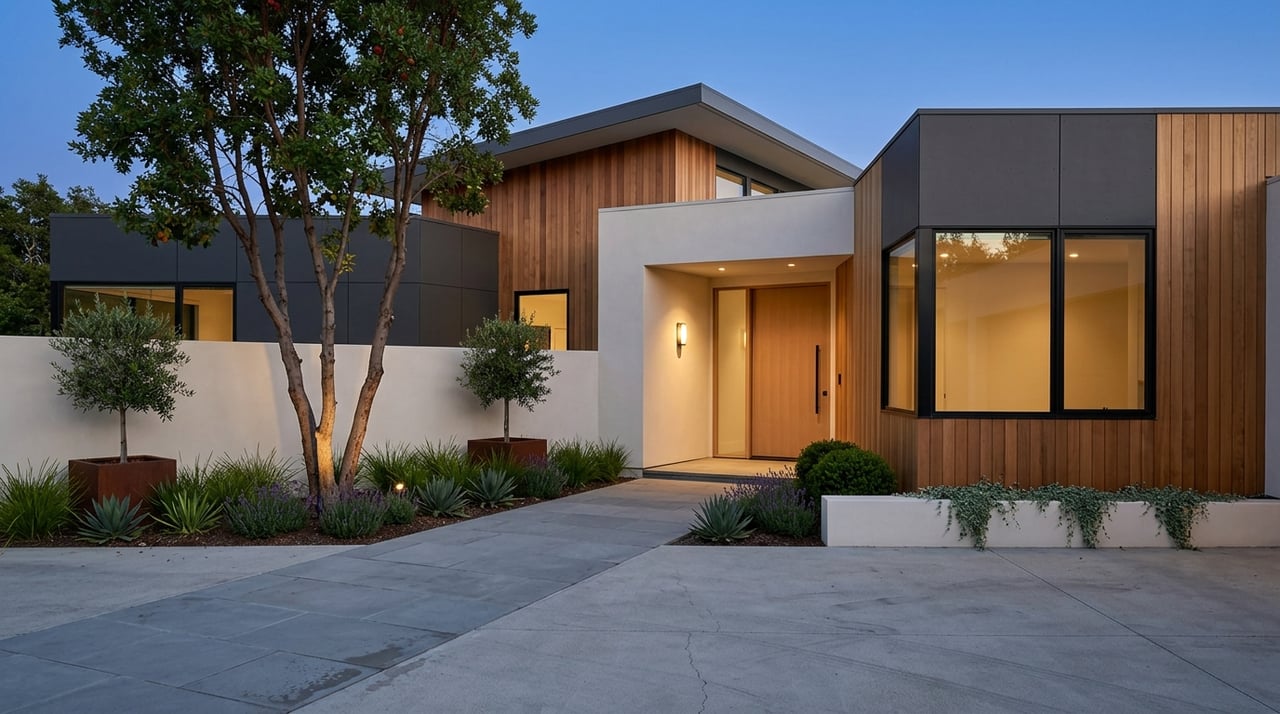
Palo Alto Luxury Listing Agent Strategies for Sellers
June 11, 2026
June 11, 2026
If you are selling a luxury home in Palo Alto, a polished sign and a quick MLS upload are not enough. This market moves fast, but that does not mean every home should be marketed the same way or launched on the same timeline. A boutique listing strategy helps you align pricing, preparation, media, privacy, and negotiation with your property’s exact position in the market. Let’s dive in.
Palo Alto’s luxury market rewards precision. In April 2026, single-family homes in Palo Alto posted 62 new listings, 46 active listings, 48 closed sales, 15 average days on market, a $4.125 million median sale price, and 107% of list price received, according to Santa Clara County Association of REALTORS® data.
Those numbers tell you two things at once. Buyers are active, and well-positioned homes can move quickly. They also show that pricing and preparation still matter, because strong demand does not erase the need for a smart launch.
Palo Alto is also not one market in practice. Median listing prices vary sharply by area, with Realtor.com showing Old Palo Alto at $10.549 million and Midtown at $2.974 million. That kind of spread is why a one-size-fits-all listing plan rarely works for luxury sellers.
Luxury pricing in Palo Alto should begin with the most relevant recent sales, not broad county averages alone. Even in a strong market, buyers compare homes carefully, and they often do that research online before they ever request a showing.
A boutique pricing strategy looks at your home in context. That includes neighborhood-level comparables, lot size, architecture, improvement quality, condition, and how your home will appear against current competition. In a market where homes sold at 107% of list on average in April 2026, the goal is not simply to aim high. It is to price with discipline so the launch creates momentum.
For some homes, that may mean pricing to encourage immediate competition. For others, especially highly customized or architecturally notable properties, it may mean building a pricing narrative that helps buyers understand value in a more nuanced way. Either way, the strategy should fit the property, not a template.
A boutique listing strategy usually starts long before the home goes live. Preparation is where luxury marketing gains traction, because buyers often decide how seriously to consider a property based on what they see in the first few moments.
The National Association of REALTORS® defines staging as presenting a home so buyers can envision themselves living there. In its 2025 staging guide, 83% of buyers’ agents said staging makes that visualization easier, while about half said staged homes sold faster and more than a quarter reported that staging their sellers’ homes resulted in a 1% to 10% increase.
That does not mean every Palo Alto luxury home needs the same level of staging. Some homes benefit from full-service styling, while others need selective edits, deep cleaning, decluttering, landscaping touch-ups, or furniture removal to let architecture and scale stand out.
For many sellers, the most effective prep plan includes:
This part of the process is especially important for longtime owners. NAR reports the typical seller has owned their home for 11 years, and that often means the sale is both financial and emotional. A concierge-style approach can help you prioritize what matters most without making the process feel overwhelming.
In a luxury market, your digital presentation is often your first showing. NAR advises sellers to put as much effort into the online listing as they would into an open house, with strong visual assets such as photos, video, virtual tours, and floor plans.
That advice fits Palo Alto well. Buyers frequently compare properties digitally before deciding which homes are worth visiting in person. If your home is going to compete at the top of the market, the visual package has to do more than document rooms. It should communicate scale, light, layout, and lifestyle in a clean, cohesive way.
A boutique listing campaign may include:
For a solo, high-touch broker like Kathleen Pasin, the value is not just in ordering these pieces. It is in curating them so the marketing tells one consistent story about the home and its place in Palo Alto.
Buyers do not evaluate a luxury home in isolation. NAR’s 2025 Profile of Home Buyers and Sellers found that buyers care most about neighborhood quality and convenience to friends and family. That reinforces the importance of local context in marketing.
In Palo Alto, hyperlocal storytelling can help buyers understand what makes a property compelling within its immediate area. That may include architectural character, proximity to parks, access to commute routes, nearby shopping and dining corridors, or the feel of the surrounding blocks. The key is to stay factual, clear, and specific.
This is where deep local roots can matter. A boutique strategy should not rely on generic language about the city. It should explain why this home belongs in this exact pocket of Palo Alto and how that position supports value.
Not every luxury seller wants the broadest possible public rollout on day one. Some prioritize maximum exposure, while others value privacy, discretion, or a more controlled timeline. A boutique listing strategy should account for both goals.
Under current MLS policy, sellers may have controlled options such as office exclusive and delayed marketing, subject to local MLS rules. An office exclusive is not publicly marketed and is not disseminated through the MLS. A delayed marketing listing is filed with the MLS but can delay public syndication and IDX exposure.
The tradeoff is straightforward. More privacy can mean less immediate reach, while broader exposure can help generate stronger competition. Sellers should understand that balance clearly before choosing a path.
A thoughtful conversation with your listing agent should cover:
For estate situations, downsizing, or other sensitive transitions, a controlled rollout can be especially valuable. The right plan is the one that supports your goals while preserving informed decision-making.
Luxury listing preparation in California is not only about presentation. It also includes disclosure planning, because a smooth transaction often depends on getting important information organized early.
The California Department of Real Estate says a seller’s agent owes the seller utmost care, integrity, honesty, and loyalty, and must disclose material facts affecting value or desirability that are not already known or readily observable. The agency disclosure should also be provided before entering the listing agreement.
For Palo Alto luxury homes, disclosure work can be more involved when a property has a long improvement history. The updated Natural Hazard Disclosure Statement now must identify whether a home is in a high fire hazard severity zone and whether it is in a state or local responsibility area. California also requires sellers who obtained title within the prior 18 months to disclose contractor-performed additions, structural modifications, alterations, or repairs over $500, along with contractor names and permits.
Older homes may need added attention. For homes built before 1978, federal lead-based paint disclosure rules require sellers to disclose known hazards and records, provide the lead pamphlet, and allow time for a buyer inspection before the buyer becomes obligated.
When these items are addressed early, you reduce the chance of avoidable delays during negotiations. In a fast-moving market, that preparation can protect both leverage and peace of mind.
A boutique listing strategy should also reflect current California and industry rules around compensation and negotiation. The California Department of Real Estate states that broker commissions are not fixed by law and are negotiable.
Current NAR settlement guidance also changed how buyer-broker compensation is handled. Offers of buyer-broker compensation are no longer allowed on MLS platforms, buyer agents using MLS must have written agreements before touring a home, and any payment or offer of payment to a buyer broker must be approved in writing by the seller in advance. Compensation may still be handled off-MLS if the consumer and broker agree.
For sellers, the takeaway is simple. Your listing agent should explain these rules clearly and build them into the negotiation plan from the start. That matters when offers include requests for credits, contingencies, or fast closings, because structure can be just as important as price.
If you are interviewing agents for a Palo Alto luxury sale, your questions should go beyond basic marketing promises. A true boutique approach is a coordinated system, and the agent should be able to explain each part clearly.
Here are smart questions to ask:
The answers should feel specific to your home, your timing, and your priorities. If the plan sounds generic, it probably is.
At its best, a boutique listing strategy is calm, detailed, and highly personal. It combines micro-market pricing, elevated preparation, professional media, controlled distribution when needed, and disciplined negotiation.
That approach aligns well with Palo Alto, where values are high, inventory is closely watched, and buyers often compare properties with great care. It also aligns with sellers who want more than transaction management. They want guidance that is local, strategic, and attentive from the first conversation through closing.
If you are preparing to sell a luxury home in Palo Alto, the right listing strategy should make the process feel more focused, not more complicated. To discuss pricing, preparation, and a tailored launch plan, contact Kathleen Pasin.
Stay up to date on the latest real estate trends.



Her expertise in real estate ensures that you receive informed and objective guidance. Contact Kathleen to learn how she can assist you in meeting your real estate needs.
KATHLEEN PASIN | CA DRE# 01396779
[email protected]
(650) 450-1912
ADDRESS
3000 El Camino Real
Palo Alto, CA 94306