Living in Palo Alto: Is a Classic Home the Right Fit?
June 25, 2026
June 25, 2026
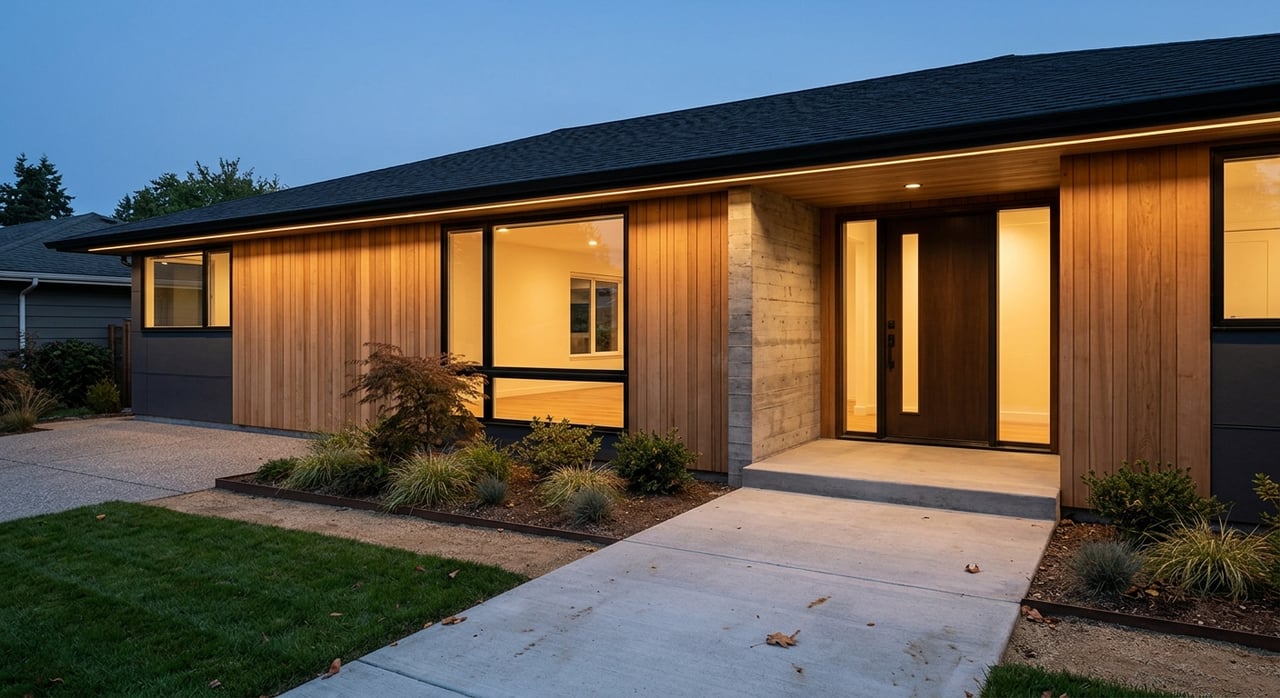
If you are drawn to older homes, Palo Alto offers something rare: a place where classic architecture still shapes daily life. You may be looking for charm, mature streets, or a home with a story, but you also want modern comfort and a neighborhood that feels livable day to day. In Palo Alto, those pieces often come together in a way that feels grounded, polished, and distinctly local. Let’s dive in.
Living in one of Palo Alto’s classic homes often means living in a city where older housing is not the exception. According to the city’s Housing Element, the median year of construction is 1955, the largest share of homes was built between 1950 and 1959, and more than half of the housing units are over 50 years old.
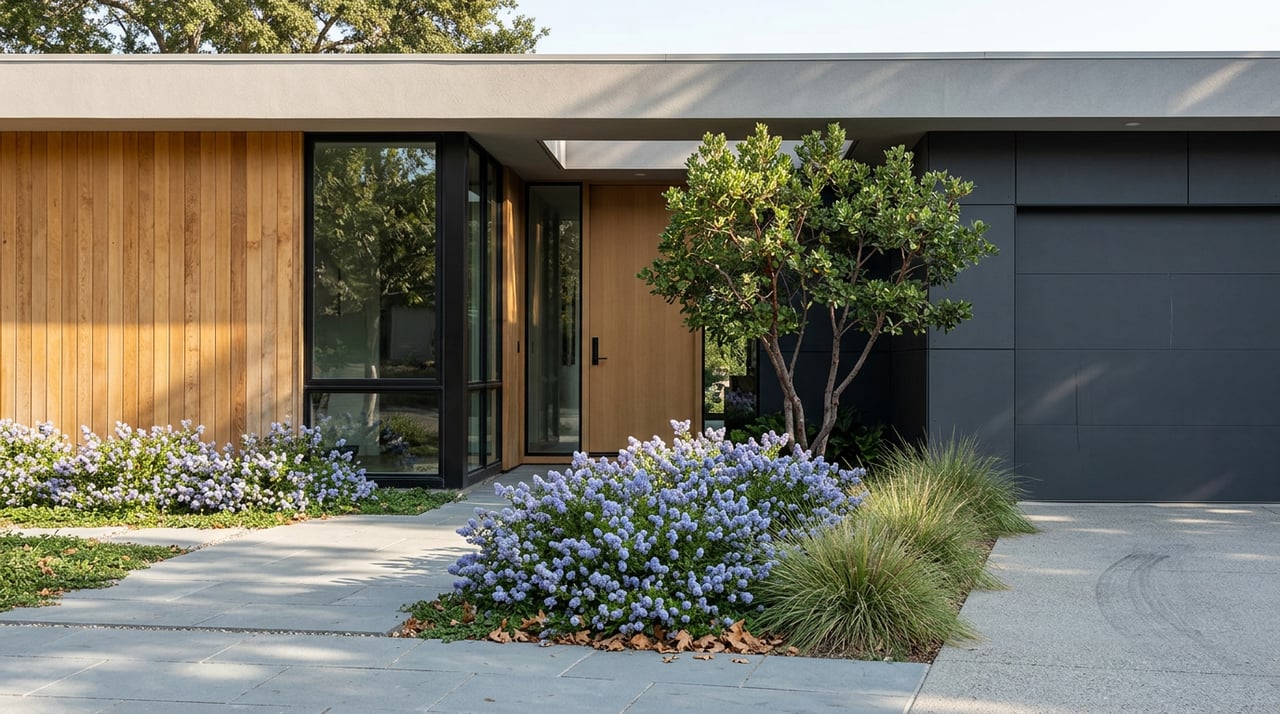
That age shows up in the streetscape. You notice established blocks, mature landscaping, and homes that reflect earlier building styles rather than a single newer look. At the same time, the city also notes that many older homes have been substantially upgraded over the past 20 years, so classic does not necessarily mean outdated.
For many homeowners, that is the real appeal. You get the visual character of an older home, but often with interiors that have been refreshed for modern living.
Part of what makes Palo Alto feel so distinct is its strong preservation culture. The city’s Historic Inventory is the official City Council list of significant sites, and Palo Alto also includes 16 individually listed National Register properties and 4 National Historic Districts.
That preservation framework affects more than landmarks. The city requires review for many exterior projects involving historic resources, which helps explain why many older streets feel intact and carefully maintained.
As a resident, you experience that as continuity. The blocks often feel cohesive rather than pieced together, and the architecture tends to hold onto its original presence even as homes evolve over time.
Palo Alto’s classic homes are not all one thing. Instead, the city offers a mix of home types and architectural styles that create a layered, lived-in feel.
The historic survey identifies early residences in Downtown and North Palo Alto, with Professorville noted as an early residential neighborhood associated with the first generation of Stanford faculty. The area includes Victorian, Craftsman, Prairie, Period Revival, and Exotic Revival examples.
Elsewhere, the housing mix continues to broaden. The survey describes Crescent Park as a neighborhood developed for automobile owners, while Southgate and the Emery Subdivision include mixes of period revival, ranch, and modern styles.
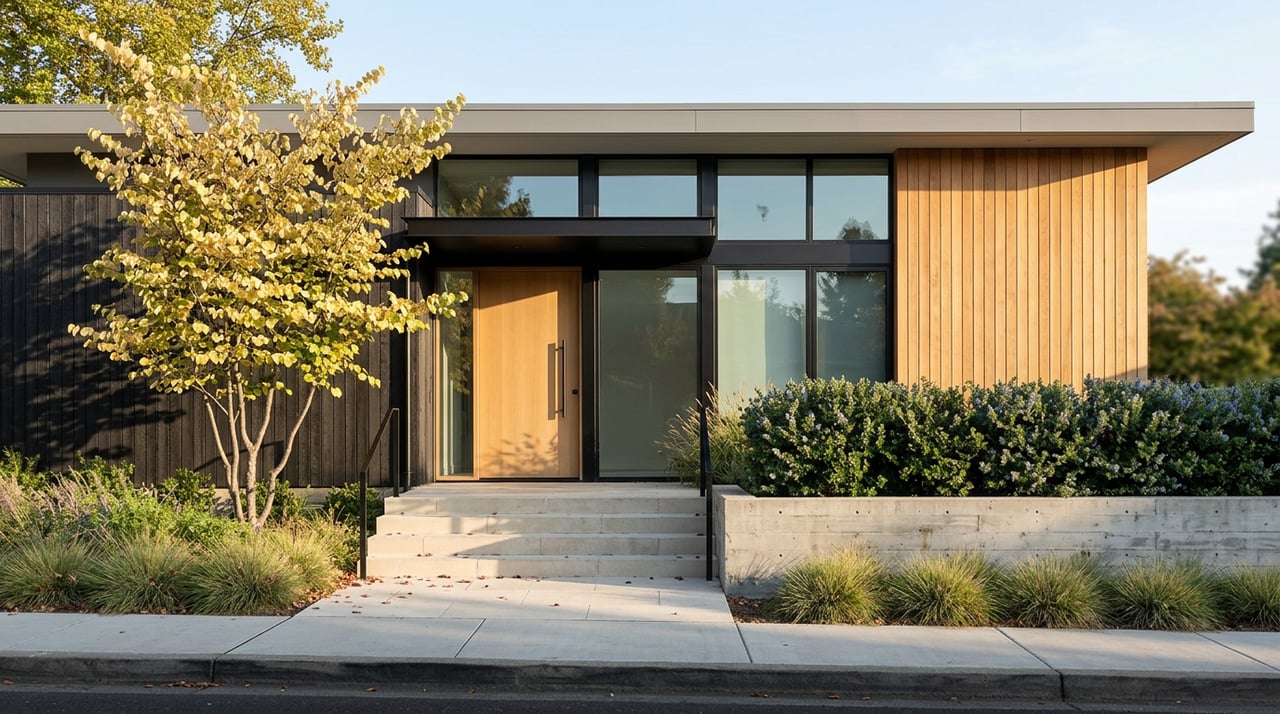
You also find smaller-scale classic housing types woven into the city. The survey points to square cottages, two-story square box homes, cottage courts in College Terrace, and Green Gables as a uniform single-story Eichler development in Mid-Century Modern style.
What does that variety feel like when you live here? It often feels like character without stagnation.
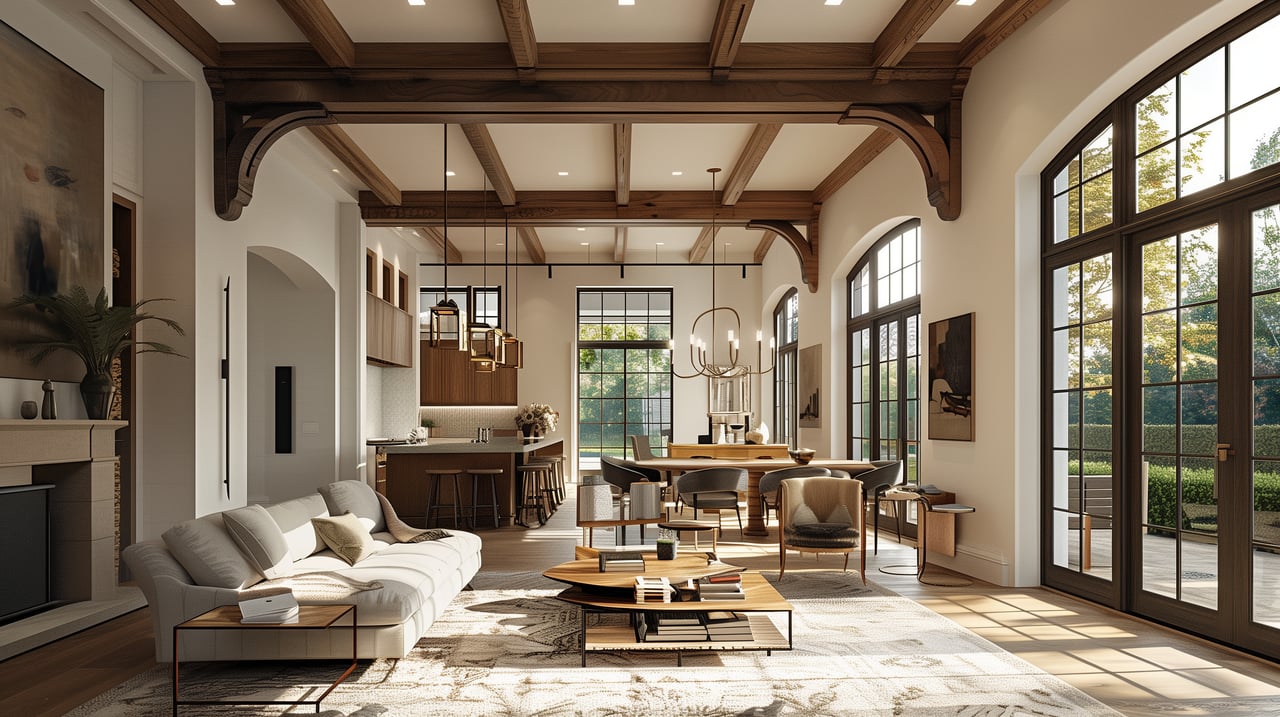
Older facades, original details, and long-established streets can give a home immediate personality. At the same time, many of these homes sit behind updated kitchens, improved floor plans, newer systems, and more functional indoor-outdoor spaces.
That balance matters in Palo Alto. The city’s housing story is not simply about preservation for its own sake. It is about older homes that continue to function as part of modern daily life.
Living in a classic home in Palo Alto is also shaped by what happens beyond your front door. The city’s urban forest includes nearly 66,000 trees across streets, parks, forested parklands, and private property, and the city says those trees directly improve quality of life.
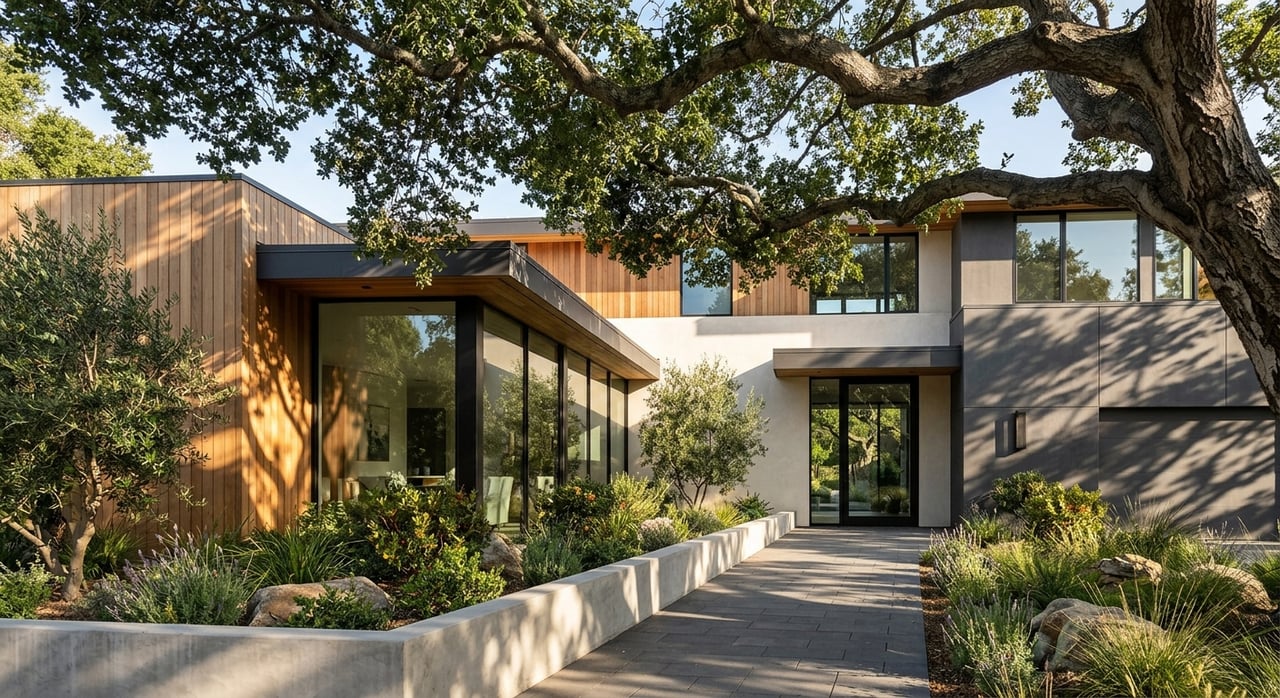
That tree canopy changes the experience of everyday routines. Streets often feel shaded and established, walks feel more inviting, and older homes tend to sit within a landscape that softens the built environment.
This is one reason classic homes here often feel so appealing. Architecture and landscape work together, so the experience is not just about the structure itself but also about the setting around it.
Palo Alto’s parks support a daily rhythm that feels active and outside-focused. Rinconada Park is a 19-acre multipurpose park established in 1922, with live oaks, redwoods, a municipal pool, and adjacency to the Lucie Stern Community Center and the Junior Museum and Zoo.
Mitchell Park adds another kind of flexibility to daily life. Its 21.4 acres include walking and bicycle trails, picnic tables, courts, playgrounds, an inclusive Magical Bridge Playground, and a dog park.
For residents, these places can become part of a normal week rather than a special outing. That makes life in Palo Alto’s classic neighborhoods feel connected not only to history, but also to regular outdoor use and civic spaces.
Classic-home living in Palo Alto also comes with access to places that reinforce the city’s softer, more garden-oriented side. Gamble Garden, a historic 2.5-acre property in Old Palo Alto, includes rose, cutting, herb, wisteria, and demonstration gardens.
Spaces like this add another layer to the experience of the city. They make Palo Alto feel cared for and cultivated, which pairs naturally with neighborhoods where older homes are maintained with attention and respect.
El Palo Alto Park adds a practical dimension too, with a lighted pedestrian and bike path linking Palo Alto and Menlo Park. Even small routines can feel more connected and walkable because of amenities like these.
One of the most appealing parts of living in a classic home here is that the setting does not feel stuck in the past. Palo Alto supports outdoor dining and retail in commercial districts such as California Avenue and University Avenue through Uplift Local, helping create a more pedestrian-oriented feel.
That energy matters. It means your home may feel rooted in history, but your day-to-day experience still includes active commercial streets, outdoor gathering spaces, and a sense of movement.
The city’s visitor information also frames Palo Alto as a place with shopping and dining alongside parks, gardens, museums, and family activities. That combination helps explain why classic-home living here often feels balanced rather than purely residential.
Palo Alto’s classic homes are part of a broader civic environment that continues to evolve. The Palo Alto Art Center, housed in the former city hall building, offers exhibitions, classes, and events and reaches about 150,000 people a year.
The city’s Public Art Program oversees about 100 permanent works and more than 200 portable works. Recent murals and installations have also appeared on Ramona Street and in the California Avenue District.
For you as a resident, that adds texture to everyday life. The result is a city where historic homes feel grounded in history, but not static.
People are often drawn to classic homes for emotional reasons first. They may respond to a porch, a roofline, original millwork, or the feeling of arriving on a street that has matured over decades.
In Palo Alto, those emotional qualities are reinforced by the city’s structure. Preservation review, established neighborhoods, tree cover, parks, and active civic spaces all help support the appeal of older homes.
That means the experience is larger than the property itself. When you buy a classic home here, you are often buying into a setting where history and daily convenience can coexist.
If you are considering a classic home in Palo Alto, it helps to pay attention to both charm and function. Many homes have been upgraded, but the extent and style of those updates can vary widely.
As you tour, it may help to notice:
These details often shape how a classic home lives day to day. In Palo Alto, the best ones tend to offer a strong sense of place along with practical livability.
In the end, living in Palo Alto’s classic homes often feels like living with both memory and momentum. You are surrounded by older architecture, preserved streetscapes, and homes that reflect the city’s long development story.
At the same time, you are not stepping away from modern life. You are living in a city shaped by updated interiors, maintained parks, outdoor dining, public art, and an outdoors-oriented routine that keeps everything feeling current.
If you are curious about Palo Alto’s classic homes, or you want thoughtful guidance on buying or selling a home with character, Kathleen Pasin offers local insight and concierge-level support tailored to your goals.
Stay up to date on the latest real estate trends.


Her expertise in real estate ensures that you receive informed and objective guidance. Contact Kathleen to learn how she can assist you in meeting your real estate needs.
KATHLEEN PASIN | CA DRE# 01396779
[email protected]
(650) 450-1912
ADDRESS
3000 El Camino Real
Palo Alto, CA 94306