North vs South Palo Alto: How to Choose the Right Area
July 2, 2026
July 2, 2026
Choosing between North and South Palo Alto sounds simple until you realize there is no official line on the map. For many buyers, the real question is not just north versus south. It is how you want to live each day, how you want to commute, and what kind of home fits your priorities. This guide will help you compare the two sides of Palo Alto in a practical way so you can focus your search with more confidence. Let’s dive in.
Palo Alto does not have a formal city-defined north and south split. Instead, it is a real estate shorthand that helps group areas with different housing styles, street patterns, and daily routines.
For this comparison, North Palo Alto refers to the downtown and Stanford-adjacent side of the city. South Palo Alto refers more broadly to the Midtown, California Avenue, and Barron Park side. That framework is useful because it reflects how many buyers actually shop for homes here.
North Palo Alto often appeals to buyers who want a more urban feel and easier access to downtown activity. It tends to offer a mix of older housing, walkable streets, and proximity to Stanford and Caltrain.
The city’s historic survey work focused heavily on buildings built before 1940 in areas north of Oregon Expressway. That helps explain why many parts of the north side feel more rooted in Palo Alto’s earlier development pattern.
If you like being close to restaurants, coffee shops, retail, and transit, the north side stands out. Downtown Palo Alto centers around University Avenue, which the city describes as downtown’s focal point and a local and regional destination for shopping, dining, and entertainment.
This side of town also places you close to the Palo Alto Transit Center. Stanford notes that commuters can use Caltrain to the Palo Alto station and then transfer to the free Marguerite shuttle, bike, or walk to campus.
North Palo Alto generally offers a denser housing mix. You are more likely to see condos, multifamily options, and older homes on a tighter street grid near downtown.
Downtown North is a good example. It is currently very competitive, with a median sale price of $2.2 million and a median sale price per square foot of $1.42K. University South, just two blocks from downtown, posted a median sale price of $2.95 million over the last three months.
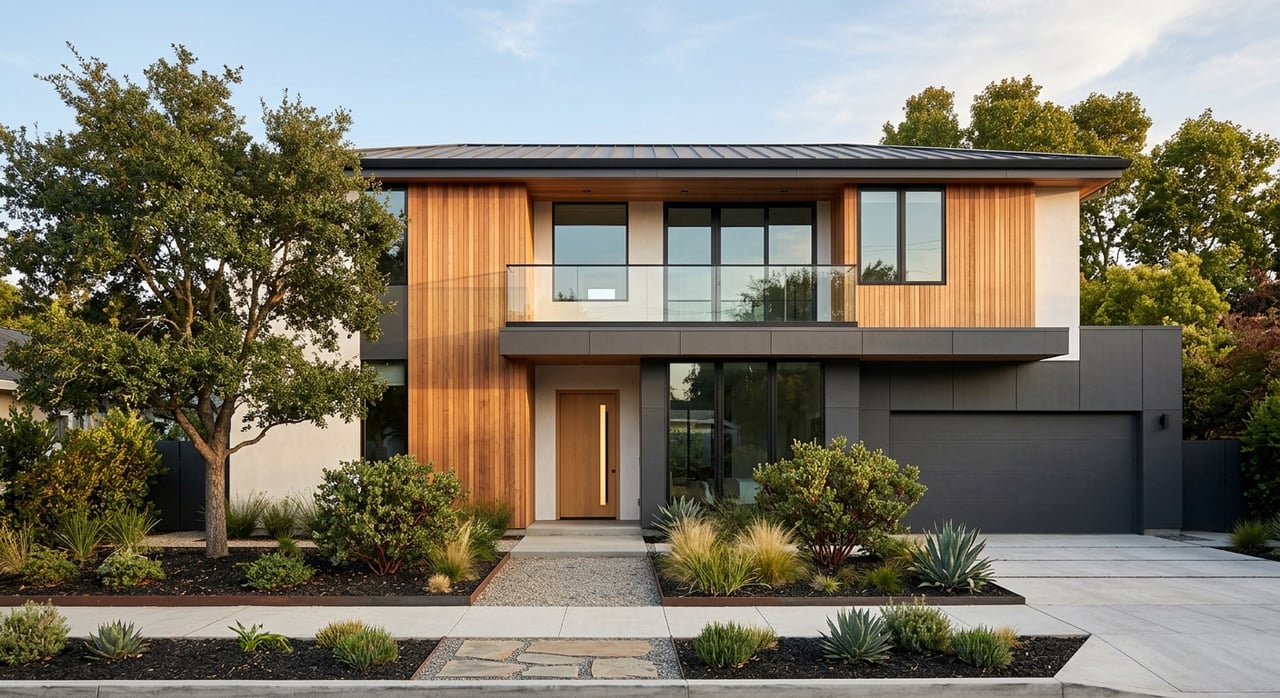
South Palo Alto often feels more residential and more distinctly postwar in character. Buyers who want quieter streets, more detached homes, or easier access to neighborhood-serving amenities often start their search here.
The city’s Eichler guidelines focus on central and southern Palo Alto, and city historical resources note that the Oregon Expressway era helped shape Midtown’s development pattern. In practical terms, that gives many south-side areas a different look and rhythm from the older northern neighborhoods.
If your regular routine revolves around California Avenue, Cubberley, Barron Park, or south-side parks, this part of town may feel more convenient. California Avenue is described by the city as a historic district in the heart of Palo Alto with boutiques, restaurants, a year-round farmers market, and public art.
Amenities on the south side tend to be spread across neighborhood nodes rather than concentrated in one downtown core. Rinconada Park includes the city pool, Lucie Stern Community Center, and the Junior Museum and Zoo, while El Camino Park and Cubberley add more recreation and community space.
South Palo Alto more often matches the image many buyers have of classic residential Palo Alto. You will generally find more conventional detached-home neighborhoods, postwar homes, and areas known for Eichler design.
Lot size can also be part of the appeal. Southgate has recent examples on 13,000-square-foot parcels, which is a very different proposition from condo-heavy inventory closer to downtown.
Your work and lifestyle map may be the fastest way to narrow the choice. If Stanford is your daily destination, North Palo Alto is usually the cleaner fit.
The north side offers easier access to Caltrain, the Palo Alto Transit Center, and Stanford. Stanford also notes that the Stanford Research Park includes 150 companies, which reinforces the appeal of being nearby if your work life is centered around that area.
South Palo Alto can make more sense if your routine points you toward California Avenue or if your commute trends farther south. By geography, it is also a more natural starting point for trips toward the Mountain View and Sunnyvale office clusters.
Many buyers assume one side of Palo Alto is always more expensive than the other. In reality, micro-neighborhood matters more than the north-south label alone.
Palo Alto’s citywide median sale price was $3.6 million in May 2026, but neighborhood pricing varies widely. Here is a snapshot of recent median sale prices:
| Neighborhood | Median Sale Price | Median Price Per Sq. Ft. |
|---|---|---|
| Downtown North | $2.2M | $1.42K |
| University South | $2.95M | $1.2K |
| Barron Park | $4.0M | $2.31K |
| Southgate | $4.4M | $2.22K |
| Crescent Park | $5.19M | $2.55K |
Old Palo Alto shows just how wide the upper end can stretch, with recent closed sales ranging from $3.6 million to $22 million. That is why it helps to compare specific neighborhoods and property types rather than rely on a simple north-versus-south assumption.
The best choice depends on what matters most to you in daily life. A condo buyer who values transit and walkability may reach a very different conclusion than a move-up buyer looking for a detached home on a larger lot.
When you tour Palo Alto, it helps to compare homes in context instead of by label alone. A downtown-adjacent condo and a Southgate single-family home serve very different needs, even if both are within the same city.
A focused home search usually starts with three filters: commute pattern, preferred home type, and day-to-day lifestyle. Once those are clear, the right submarket often becomes much easier to identify.
Palo Alto is one of those markets where broad assumptions can lead you in the wrong direction. One neighborhood may offer a lower entry point through condos, while another nearby may command a significant premium for lot size, architecture, or proximity to downtown.
That is where neighborhood-level guidance matters. Working with a broker who understands Palo Alto block by block can help you weigh tradeoffs clearly, move quickly when the right home appears, and stay focused on the areas that truly fit your goals.
If you are comparing North and South Palo Alto and want tailored guidance based on your commute, budget, and preferred home style, Kathleen Pasin offers thoughtful, concierge-level buyer representation rooted in deep local knowledge.
Stay up to date on the latest real estate trends.


Her expertise in real estate ensures that you receive informed and objective guidance. Contact Kathleen to learn how she can assist you in meeting your real estate needs.
KATHLEEN PASIN | CA DRE# 01396779
[email protected]
(650) 450-1912
ADDRESS
3000 El Camino Real
Palo Alto, CA 94306