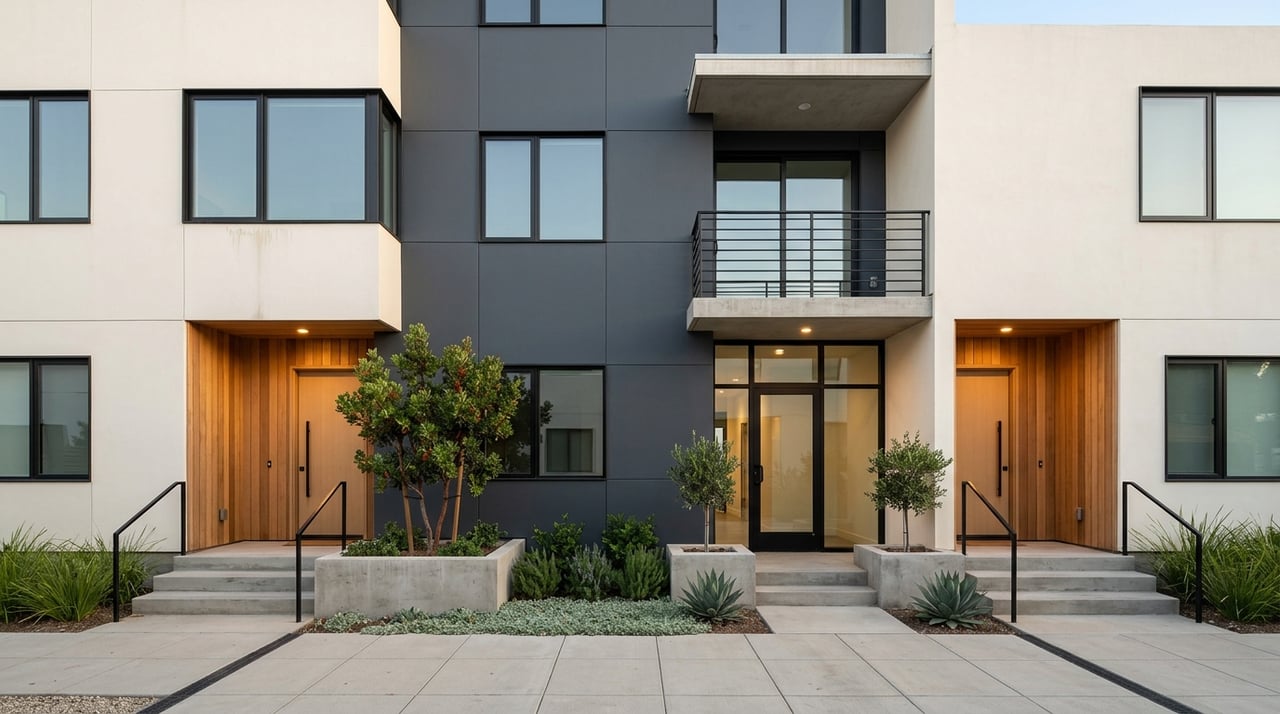
Palo Alto Condos Or Townhomes: How To Choose
June 18, 2026
June 18, 2026
Trying to choose between a condo and a townhome in Palo Alto? You are not alone. Many buyers assume the difference is simple, but in this market, the real answer often comes down to ownership rights, HOA structure, monthly costs, and how you want to live day to day. If you want a clearer way to compare your options before you buy, this guide will walk you through the tradeoffs that matter most. Let’s dive in.
In Palo Alto, the words condo and townhome do not always tell you what you are actually buying. According to the California Department of Real Estate, subdivision types are defined by ownership rights, not by how the home looks from the outside.
That means a property that looks like a townhome may legally be a condominium, while another attached home may be part of a planned development. A condominium usually means you own your unit and share ownership of common areas. In a planned development, you typically own the home on a separate lot and have rights to shared areas through the homeowners association.
This distinction matters because the deed and governing documents help determine who controls and maintains outdoor spaces. Private patios, balconies, parking spaces, driveways, exterior doors, and yard areas may be owned, shared, or considered exclusive-use common area.
For many buyers, the better choice comes down to lifestyle. The legal structure sets the framework, but your day-to-day experience often depends on maintenance responsibilities, privacy, layout, and shared amenities.
Condos in Palo Alto often appeal to buyers who want simpler, lock-and-leave living. Many are building-style residences with shared entries, shared exterior areas, and HOA-managed common spaces.
Current examples in Palo Alto show this pattern clearly. Some listings emphasize gated access, larger patios, or amenity-oriented layouts. They also show that monthly HOA dues can be significant, with visible examples around $981 and $1,515 per month.
If you value less day-to-day exterior oversight, a condo may feel more manageable. That can be especially appealing if you travel often, have a demanding work schedule, or simply want fewer maintenance decisions on your plate.
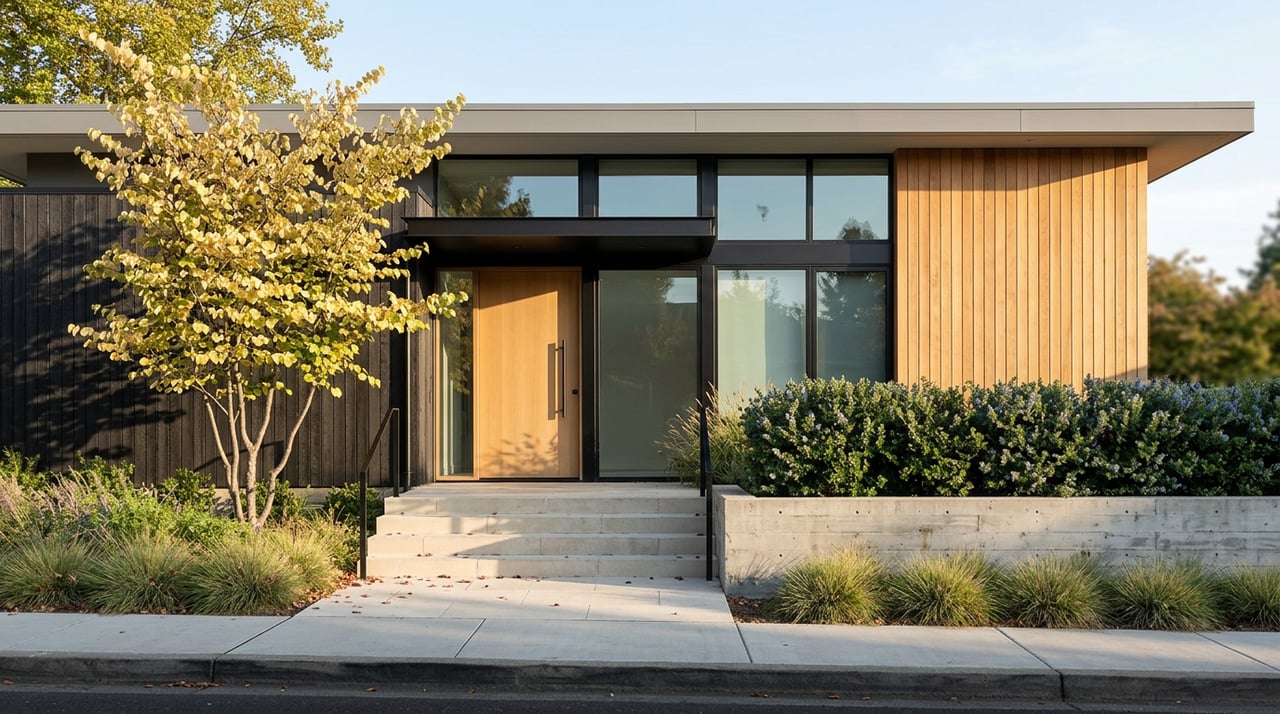
Townhomes often offer a more house-like feel. In the current Palo Alto inventory, many emphasize direct entry, private patios, garage space, and layouts that feel more spread out.
Recent examples include homes with private patios, larger multi-bath layouts, garage-oriented living, and even lower HOA dues in some cases. One visible example shows a $343 HOA, while another is listed with an $828 HOA.
If you want more separation, more outdoor use, or a layout that feels closer to a single-family home, a townhome may be the better fit. That said, the listing label alone still does not tell the full story.
One of the biggest decision points is maintenance. In California common-interest developments, the association is generally responsible for repairing, replacing, and maintaining common areas, while the owner is typically responsible for the separate interest and any exclusive-use common area tied to the home.
There is an important catch. The governing declaration can shift some of those responsibilities, which means the exact split for the roof, siding, landscaping, driveway, or yard can vary from one Palo Alto community to the next.
That is why two attached homes with similar looks can come with very different responsibilities. Before you compare condo versus townhome, make sure you are really comparing maintenance obligations, not just architecture.
Use these questions to get a clearer picture of what ownership will feel like:
Many buyers focus on the asking price first, but monthly HOA dues can have a major impact on affordability and long-term value. In Palo Alto, the dues do not always track neatly with property type.
Current visible condo examples include HOA dues of $981 and $1,515 per month. Current visible townhome examples include $343 and $828 per month. The takeaway is simple: do not assume a condo will always have lower dues or that a townhome will always cost more to maintain.
You will want to compare what those dues actually cover. A higher monthly amount may reflect broader maintenance coverage, stronger amenities, or more substantial shared building obligations.
A healthy HOA is not just a nice bonus. It is a core part of your due diligence.
California law requires HOA annual budget reports to include a reserve summary, reserve funding plan, and insurance summary. For condominium projects, the annual disclosures must also include FHA and VA certification status.
The reserve summary is especially useful because it shows the estimated replacement cost of major components, their remaining life, their useful life, the current reserve balance, and the per-unit reserve deficiency. In practical terms, this helps you understand whether the association appears prepared for future repairs or whether owners may face higher costs later.
California law also requires associations to levy assessments sufficient to meet their obligations, while placing limits on certain increases without member approval. That makes the financial review worth your time, whether you are considering a condo or a townhome.
Palo Alto remains a high-cost market overall. Realtor.com currently shows a median listing home price of about $2.9 million across the broader local market.
Within that context, condos and townhomes often represent the lower-entry attached-home tier, even though many still list well above $1 million. For buyers who want a Palo Alto address without entering the single-family segment, these property types often become the key options.
Redfin currently shows 34 condo listings in Palo Alto, with a median listing price of $1.49 million, about 47 days on market, and roughly one offer on average.
Visible examples range from about $919,000 to $2.28 million. Listings appear around areas such as California Avenue, Alma, Forest, Sheridan, El Camino, and Charleston.
Redfin currently shows 19 townhome listings in Palo Alto, with a median listing price of $1.7 million, about 36 days on market, and roughly one offer on average.
Visible examples range from about $1.48 million to $2.685 million. Current inventory appears in areas such as Middlefield, Greenmeadow, Josephine, Koa, Acacia, and El Camino Real.
Current condo and townhome inventory clusters in ZIP codes 94301, 94303, and 94306. The visible pattern suggests attached-home supply is concentrated in accessible and redevelopment-oriented corridors rather than in the city’s highest-priced single-family pockets.
For a buyer, that can be helpful context. If your search priorities include easier access to commercial corridors, transit routes, or mixed housing areas, many condo and townhome options may already align with that goal.
If you are deciding between a Palo Alto condo and a Palo Alto townhome, it helps to start with your daily priorities instead of the listing label.
The best choice depends on what you value most. In Palo Alto, the price gap between condos and townhomes is real, but the monthly-cost gap created by HOA dues and maintenance responsibility can be just as important.
Before you move forward on any attached home, compare each option through the same lens. That keeps you from overvaluing appearance and undervaluing ownership details.
Use this checklist as you narrow your options:
When you do that, the right decision usually becomes much clearer.
If you want thoughtful guidance as you compare condos and townhomes in Palo Alto, Kathleen Pasin offers local, hands-on support to help you evaluate not just the home, but the ownership structure, costs, and long-term fit.
Stay up to date on the latest real estate trends.


Her expertise in real estate ensures that you receive informed and objective guidance. Contact Kathleen to learn how she can assist you in meeting your real estate needs.
KATHLEEN PASIN | CA DRE# 01396779
[email protected]
(650) 450-1912
ADDRESS
3000 El Camino Real
Palo Alto, CA 94306